“Giving Northerners unbuttered instant grits is an old remedy for getting rid of tourists.” — Lewis Grizzard, author of “Don’t Sit Under the Grits Tree with Anyone Else But Me.”
You know it’s spring in south and central Georgia when the grits trees are in bloom.
True grits, as the late Atlanta humorist Lewis Grizzard would attest, are not INSTANT: “The idiot who invented instant grits also thought of frozen fried chicken, and they ought to lock him up before he tries to freeze-dry collards.”
After a hearty breakfast of grits and red eye gravy, true Southerners drive south on I-75 through Macon into what was once Stuckeys and pecan praline country toward Tifton where, years ago, Captain Tift once built a saw mill in support of his family’s shipping business.
The captain was also into turpentine, tobacco, pecans, sweet potatoes and grits. Northern historians, thinking grits were made in factories, overlooked Tift’s grit orchards, so you won’t find them in your grade school history books. But those orchards flourish today and every year on March 25, the kind of people who might take exception to freeze-dried collards, head into the lush agricultural lands of Georgia’s coastal plain in search of evergreen trees with large white flowers.
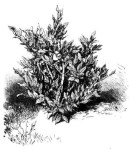
Years before the white man knew there would one day be a Southern state named Georgia, the Apalachee Indians discovered that the natural result of crossing a Live Oak (Quercus virginiana) with a Southern Magnolia (Magnolia grandiflora) was the Grits Tree (Quercus grandiflora Zea mays).
Like pearls in oysters, Grits are created in the soft tissue of the tree’s magnificent flowers. In the late summer and early fall, Grits fall like rain from the trees where Grits Sweepers gather them into windrows that look like dunes of snow. They dry in the sun until they are ready to be vacuumed up and cast before swine in the form of bacon, ham, and breaded pork chops.
But in the spring, it’s the white grits flowers that attract the attention. The kind of person who would eat freeze-dried collards or who thinks red eye gravy is the airline food served on long, over-night flights, will mistake a grits flower for a magnolia blossom. Magnolias have a musky, cloying scent. Grits flowers smell like Waffle House.

“Sitting under the grits tree” is a phrase that goes back to founding of Georgia Grits Day on March 25, 1901 in honor of the birth of Georgia Brown beneath such a tree near Tifton. Sitting under a grits tree is about jazz and having babies and eating red eye gravy on a hot summer afternoon when it seems like every breath of air between Macon and the Florida border smells like breakfast at a Waffle House.
There’s no love better than the love built with true grits. It’s Southern love and you can’t get it in a factory and you won’t find it in the hashed browns part of the country. Every March, we celebrate true grits, not the movie, but the food and all it stands for.
–
 Malcolm R. Campbell is the author of the satirical novel, “Special Investigative Reporter” on Kindle for about the same amount as a steaming bowl of grits.



 “We’re going through!” The Commander’s voice was like thin ice breaking. He wore his full-dress uniform, with the heavily braided white cap pulled down rakishly over one cold gray eye. “We can’t make it, sir. It’s spoiling for a hurricane, if you ask me.” “I’m not asking you, Lieutenant Berg,” said the Commander. “Throw on the power lights! Rev her up to 8,500! We’re going through!” The pounding of the cylinders increased: ta-pocketa-pocketa-pocketa-pocketa-pocketa. The Commander stared at the ice forming on the pilot window. He walked over and twisted a row of complicated dials. “Switch on No. 8 auxiliary!” he shouted. “Switch on No. 8 auxiliary!” repeated Lieutenant Berg. “Full strength in No. 3 turret!” shouted the Commander. “Full strength in No. 3 turret!” The crew, bending to their various tasks in the huge, hurtling eight-engined Navy hydroplane, looked at each other and grinned. “The old man will get us through” they said to one another. “The Old Man ain’t afraid of Hell!” . . .


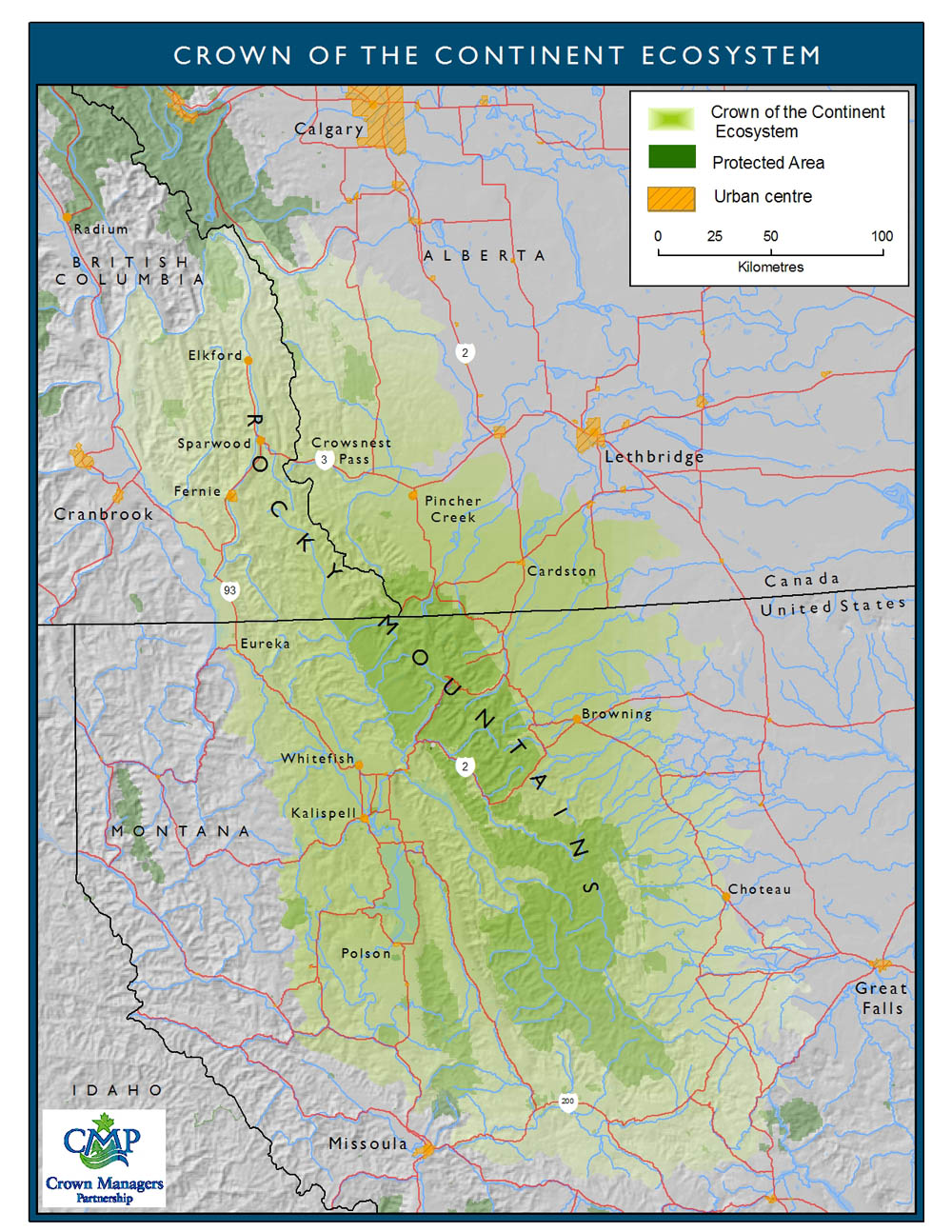
 Malcolm R. Campbell is the author of two novels set partially within the Crown of the Continent ecosystem, “The Sun Singer” and “Garden of Heaven.” The e-book edition of his comedy/satire, “Jock Stewart and the Missing Sea of Fire,” is currently on sale for only 99 cents at
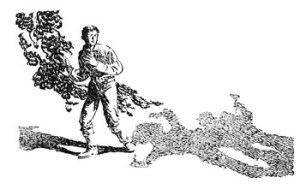 ‘Who knows what evil lurks in the hearts of men? The Shadow knows!’ — “The Shadow,”
 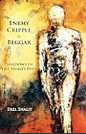 FROM THE PUBLISHER: The Hero is that aspect of our psyche, or in society, who dares to venture into the unknown, into the shadow of the unconscious, bringing us in touch with the darker aspects in our soul and in the world. In fact, it is the hero whom we send each night into the land of dreams to bring home the treasures of the unconscious. He, or no less she, will have to struggle with the Enemy that so often is mis-projected onto the detested Other, learn to care and attend to the Cripple who carries our crippling complexes and weaknesses, and develop respect for the shabby Beggar to whom we so often turn our backs – for it is the ‘beggar in need’ who holds the key to our inner Self.
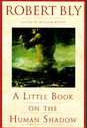 FROM THE PUBLISHER: Robert Bly, renowned poet and author of the ground-breaking bestseller Iron John, mingles essay and verse to explore the Shadow — the dark side of the human personality — and the importance of confronting it.
 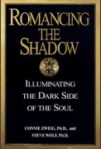 FROM THE PUBLISHER: According to authors Connie Zweig and Steve Wolf, each of us has shadows that hold forbidden feelings such as shame, jealousy, greed, lust, and rage. Left to their own devices these shadows will become destructive saboteurs–causing us to betray our loved ones as well as ourselves. It is not within our power to choose whether or not to have these shadows; however, Zweig and Wolf believe that it is within our power to take responsibility for our shadows and put them to productive use. Chapter by chapter Zweig and Wolf reveal the shadow side of love, parenthood, siblings, friendships, midlife, and work. Rather than deny or destroy these shadows, the authors show readers how to confront and “romance” them in order to access the energy, vitality, and creativity that usually lie dormant within our dark sides.
 Malcolm's Round Table