My muse tells me what my titles are going to be, so there it is.
But there are other approaches. Maybe a line out of a poem or your story’s plot in three words or the name of the main character along with a nice key word like “Joe’s Plague” or “Bob’s Dungeon” or “Mary’s Escape.”
 Tucker Max says, “The title is the first piece of information someone gets about your book, and it often forms the reader’s judgment about your book. Let’s be clear about this: A good title won’t make your book do well. But a bad title will almost certainly prevent it from doing well.”
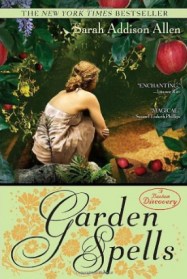
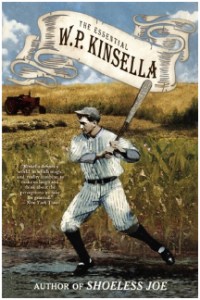
Whether you’re shopping on line or in a bookstore, the title and the cover art are the first things you see. Their potential impact on sales is enormous.
Lynne Cantwell’s post in Indies Unlimited surveys a number of authors who have a smorgasbord of ways they come up with titles for their books. For me, it’s fun to see how others do this in case they have a technique worth borrowing. Since I’m familiar with these authors’ books, it’s also instructive seeing when and how they decide on their titles.
Looking at what successful authors and teachers say about titles seems more reasonable than going to an online book title generator even though the headline of this post makes it look like a software-generated title is best: Book Title Generators: Free Tools To Help You Pick A Winning Title.
Agent Rachelle Gardner writes , “I was talking to a writer who mentioned she hadn’t worked too hard to come up with a great title for her book. When I asked her why, she said she’d been to a workshop taught by an editor at a major publishing house, who said, ‘Don’t get too attached to your title — there’s a good chance the publisher will change it anyway.’” Perhaps there’s some truth in that if you’re going with a big New York publisher. But most of us aren’t.
She quickly adds that you need to start with your best possible title even if you’re presenting the book to agents and editors who might ultimately suggest you change it. She follows that up with links to her post called How to Title Your Book.
Everyone who sees your book from beta reader to freelance editors to publishers will be impacted by your title. It shows them a lot about your intentions when it’s paired with your synopsis and/or sample chapter. So, what’s in a name?
Almost everything.
–Malcolm
Campbell’s Kindle books “At Sea,” “College Avenue,” and “Lady of the Blue Hour” will be free on Amazon on Black Friday. Click here for my website which has links to the books at the top of my home page.

 If somebody has a marketing plan that’s really working for them by bringing in money like they’ve never seen before, why must it be sold sight-unseen to the rest of us rather than offering the details in a magazine article or in an appropriately priced Kindle or paperback book?
 What’s more likely for novelists is writing about a wonderful character or an exciting event in novel manuscript that never gels as a whole. Perhaps we write the entire novel, but see that it doesn’t quite work. Unlike the couplet that comes out of the blue without a poem to go with it, the pure gold scenes in unfinished or unsubmitted novels might not have originally caught our attention when we viewed them as part of a larger work.
 I’m thinking of this idea because I have some older books that are out of print that include a few scenes I happen to like a lot. Fixing them up was a lot more fun than I expected. Characters I liked when I wrote the original, suddenly emerged more fully formed in the revision. If they were evil, they became really evil in the short story. Or, if they were funny, they turned into first class hoots.







 Malcolm's Round Table