When you set a story in the past and are researching its location, Google Maps isn’t the place to go. Why? Because looking at today’s online map, doesn’t tell you which of those roads were there twenty or thirty years ago.
Here’s a Google map of Liberty County where my four Florida Folk Magic novels are set:

Since I grew up in the area, I can tell you right off the bat that I-10 wasn’t there in 1954. We used highway 90 for east-west travel. Most state highways I know one way or another, but I can’t be sure of city streets.
If you can’t find anything online or in the library about road maps from an earlier era, one solution is going to a site like eBay where there are usually old road atlases and service station maps from almost every decade in the last fifty years.
 A few dollars spent on a paper map is money well spent. You can, of course, rely on Google Maps Street View to get a general idea of what areas looked like, especially those out in the county where no new construction has occurred. When you do this, you often find out that certain roads are scenic byways and probably have separate websites where you can look up flora and fauna, including the yearly growing seasons for plants so you know when flowers appear. (Nothing worse than saying Flowers are blooming during a season when they’re not!)
Old maps and the websites describing protected areas will sometimes link to folklore and history sites–quite a treasure hunt.
–Malcolm
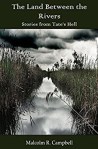 Malcolm R. Campbell is the author of “The Land Between the Rivers.” Since it’s set before there were any roads, the accuracy of highway maps wasn’t a research issue.


 Upcoming Title:
  Point of View:


 Lawyer and priest Cullen Post believes Quincy Miller’s 22 years in prison for a murder he did not commit represent not only a miscarriage of justice but brought additional power and financial gain to a small-town Florida sheriff and the criminals he sheltered, aided, and abetted. Proving Quincy Miller’s innocence is a tall order, perhaps impossible, especially when those who framed him want him to quietly rot in prison dead or alive.
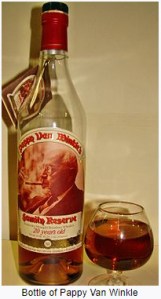 Today’s fru-fru reporters probably don’t go to watering holes except when they need to talk to sources. Otherwise, they’ve moved past Jim Bean to crates of Pappy Old Van Winkle that they have shipped to their houses. If you order a shot of this stuff at a bar, you’ll need a handful of Krugerrands.
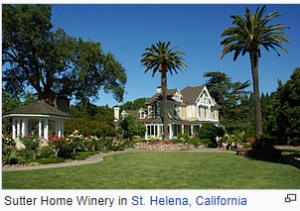 Right now, I’m drinking Gallo wine which I buy in 55-gallon drums. At least I’m not buying wine in a box with a faucet on the side of it. Seriously, is it asking too much to at least try to move up to Sutter Home?
 Sometimes the notes go into a file folder. Sometimes I type them into a DOC file. File folders get lost. DOC files disappear when hard drives crash. What’s left after that? The memory that you used to know something, but now you don’t.
 To my knowledge, WordPress isn’t telling me how long you are here, much less the impact–if any–upon you from what you see. So, as I sit here at my Dell desktop computer screen with my cat occupying a fair share of my desk chair, I wonder who you are and what you make of this place. If you’re here long enough to grok what I’m saying, you know by now that this blog has no niche. That’s good and bad, depending on what the gurus are saying.
 Malcolm's Round Table