In The Prince of Tides, Pat Conroy writes of a man in the throws of sex with his wife, shouting “Thank you, Jesus. Thank you, Jesus.”
If I read such a thing on Facebook, I’d probably say, “TMI.” But it’s typical Conroy, obvious in most of his books, writing on the edge describing the most strange, outlandish, sick, and horrific moments in the lives of his characters, moments we can’t un-see, would be shocked if we thought of such things, and having stepped over the edge with a writer who is “out there,” we are drawn “out there,” too, and for my money, nothing beats the mind’s confusion of such prose that’s better than torrid sex (“thank you, Jesus”).
I am in awe of anyone who can write on (or over) the edge and remain mostly sane.
Conroy’s inclusion of such moments in his plots is heightened by the fact they do not comprise a farce, but a balanced interaction between the most absurd and the most beautiful, and between the best of sin and the best of grace. Writing also in The Prince of Tides, he says:
“I would say, ‘Breathe deeply,’ and you would breathe and remember that smell for the rest of your life, the bold, fecund aroma of the tidal marsh, exquisite and sensual, the smell of the South in heat, a smell like new milk, semen, and spilled wine, all perfumed with seawater. My soul grazes like a lamb on the beauty of indrawn tides.”
 The Prince of Tides is my living Bible of how to write well from well-formed characters to well-formed locations. I keep the book close at hand on my desk next to my copy of Donald Maass’ Writing the Breakout Novel which–if read carefully– teaches prospective writers how to write on the edge or, perhaps, over it.
Some say Stephen King’s On Writing is better. Perhaps, but it doesn’t speak to me because I want writing books that show me how to jump off cliffs and walk through fire and say things that cause readers to blush and shout, “TMI.”
There’s a danger to writing at the edge: “it might kill you.” But what if it doesn’t? You look down, read what you have written, and find blood on the page. If you can see your blood holding the words together, then the edge didn’t kill you. Maybe tomorrow, but today the words are wonderful and they sing songs the world needs to hear.
–Malcolm
 Malcolm R. Campbell
Publisher: Thomas-Jacob Publishing
This is a terrific story, filled with fabulous characters, some definitely nastier than others, and great fun, too, at least in parts. Others are still horrible to contemplate from our slightly more secure seats nearly 70 years on. Reader Review of the audiobook.
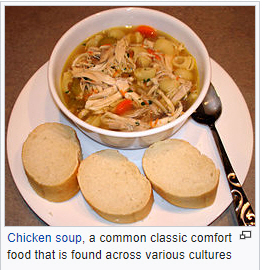 Comfort food is food that provides a nostalgic or sentimental value to someone, and may be characterized by its high caloric nature, high carbohydrate level, or simple preparation. The nostalgia may be specific to an individual, or it may apply to a specific culture. – Wikipedia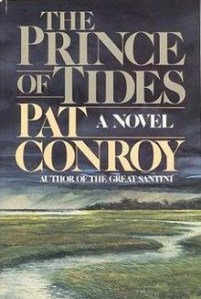


 Newspaper: Do you come here often?

 The problem: Sarabande is the novel’s protagonist and the story is told from her point of view. She first appeared in The Sun Singer which was told from protagonist Robert Adams’ point of view. That’s normal: a male writer writing a novel from a man’s perspective. Writing from a woman’s point of view is tricky for a man, especially when that woman is attacked and abused–more than once.



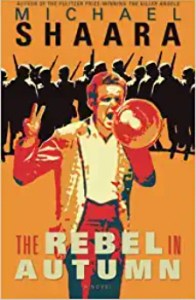 This gem of a novel is an accurate immersion into campus life in the 1960s, especially the protests and the discussions of university censorship of student materials. Inspired by an event at Florida State University (FSU) in which the president banned a short story from the college literary magazine due to the use of a few “dirty words,” the story begins with a grim sense of reality.
 Malcolm R. Campbell
 The best we could determine is that wiring requires heavy use of the imagination and that teaching literature (pronounced li-tri-chure by the snobs) requires logic. And never the twain shall meet. Those who pride themselves on logic don’t like those who rely on spontaneity and imagination. Logic is favored in our science and technology world over intuition and magic, so naturally, writers don’t fit into the consensus reality of the university, much less the English department.
 Malcolm's Round Table