Cars are often one indicator of a character in a novel. Black ops characters usually drive something with many tactical advantages in a fight; other characters are often described by their sports cars or family cars, most of which cost more than the readers of the novels make in a year.
In my novel Lena, (set in 1954) I introduced a new character to the Florida Folk Magic Series named Pollyanna. The name made her sound like a spoiled brat who lived at the estate of wealthy parents. In fact, she grew up at a fish camp and knew her way around the business and everything that went with it. She needed a practical vehicle:
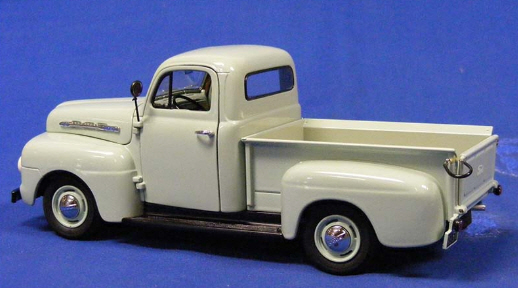
This is a 1949 Ford F-1, 1/2-ton Silvertone Grey pickup truck. It was the lowest of the line of Ford F-series trucks made between 1947 and 1952. Perfect for a fish camp, though Pollyanna would have gotten a 3/4-ton F-3 if she could have afforded it. Pollyanna always had a 1935 Smith & Wesson model 27 .357 magnum revolver in the glove box or in a thigh holster.
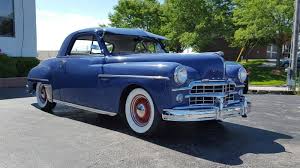
Since she lives near a small town, everyone recognizes her truck. This isn’t helpful when she’s spying on bad guys. So, along with a blonde wig, different clothes, etc., she drives the family’s seldom used Blue 1949 Dodge Wayfarer coupe:

When I visualize a character, I try to see what kind of car fits who they are. The town storekeeper drives a 1949 2R clover green Studebaker pickup. The Sanctified Church uses a Buick Roadmaster hearse. The fuel hauling company drives an Autocar surplus tanker truck. The police drive Chevrolet Bel Air squads.
Finding the right car for each character is sometimes a thrilling treasure hunt and sometimes an exasperating search when years and models seem to be missing from the Internet.
For me, tracking down cars is a heck of a lot more fun than trying to figure out what kinds of clothes my female characters would be wearing years ago.
–Malcolm
 The Kindle edition of Malcolm R. Campbell’s contemporary fantasy novel The Sun Singer is FREE on Amazon.

 P. S. – My older woman character named Sparrow wears a Kitty Foyle dress that was popular in the 1940s. If you’re not sure what the dress looks like, you can watch Ginger Rogers in the film “Kitty Foyle.” Rogers won an academy award and the dress she wore in the film endured.

 What I seldom know is which character is doing what. Sometimes characters are referred to by the first name, last name only, or code name. Often, all in the same paragraph, as in “Johnson stopped his car in a no-parking zone and hung his FBI creds around his neck. As Bob edged closer to the barricades he noted a police helo hovering overhead, then, and incoming call, ‘Cyber 1,’ he answered.”
 Writers see ads others don’t see because we’re always researching something. For the novel in progress, I checked on the kind of Khaki a middle-aged person might wear in the early 1950s. Now, Khaki ads are showing up on Facebook, on news sites, and everywhere else I’m going on the Internet. At least, on Facebook, you can make the ad go away if you say you’ve already bought the stuff.
 I apologize for the delay in posting this information. I have been waiting for a news story about Tippet’s passing to appear in a Montana newspaper such as the Hungry Horse News, The Daily Interlake, or the Flathead Beacon. Apparently, none of them seems to know that he died. I presume his former employer doesn’t know it either for they probably would have issued a news release and caught the media’s attention.

 Malcolm's Round Table