Presumably, part of an author’s platform is composed of a Facebook page, a blog, a website, and a Twitter account. Letting these go out of date seems about as silly as a bricks-and-mortar store publishing an old phone number on a billboard. So, why does it happen? Better things to do, perhaps. Or, tired of social media, perhaps. Or dead, perhaps.
Reasonable excuses, perhaps. Yet, I feel a bit discouraged when:
 I try to follow an author on Twitter and find that the author’s Twitter link in their Facebook about page or their website leads to a message telling the account doesn’t exist.
- I click on the blog menu selection on the author’s website and find no new posts for four or five years.
- I notice that an author’s Twitter profile touts a NEW BOOK that was new a year ago.
- An author’s Facebook page or profile sits there for months with no activity.
Nobody asked, but it seems to me it would be better to delete these out-of-date references and accounts until the author needs them again. In the old days, misspelling a source’s name in a newspaper was considered especially egregious sin, partly because it was sloppy and partly because one figured that if the name was wrong, perhaps other “facts” in the story were also wrong. At best, an out-of-date platform is a similar bad sign to prospective readers, agents, and publishers.
I get it. Promotion via blogs, websites, Twitter, and Facebook tends to ramp up when a new book comes out. Makes sense, I suppose. However, a continuing presence of up-to-date online material will be vital if an author starts looking for a new agent or publisher and discovers the platform has fallen into disuse for five years. That tells an agent the platform isn’t a positive factor in the decision about representing an author.
Really, it’s not that hard to delete links to Twitter accounts and blogs that are no longer active. Worse yet, authors are disappointing their readers by letting a blog sit there with nothing new to read.
By the way, if you find out-of-date links on any of my sites, please let me know. Seriously, I like to practice what I preach even though I’m as disorganized as anyone can be. (I just updated my Twitter profile picture before writing this blog.)
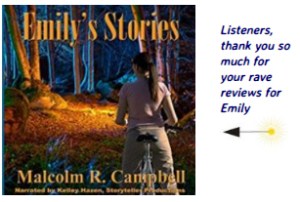
 As a teenager and a young man, I was always expected to become a writer, partly because my father was a writer and partly because I had shown some early inclinations in that direction. Life–as people often say–got in the way. So, I ignored my writing many times because I was tired of being pushed and I was tired of being asked about it.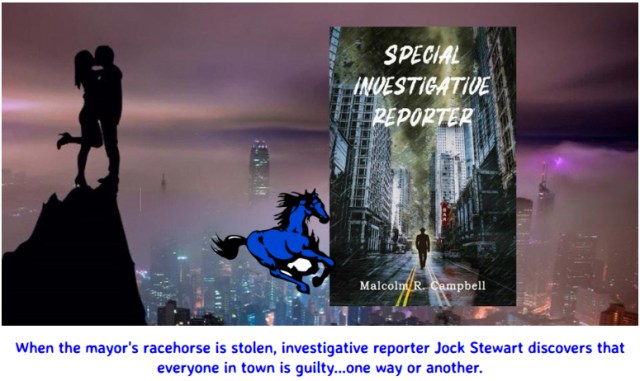



 The author I’m referring to has more books than I can count in print and a very wide following. So, she can break the guru’s rule. Plus, she’s never nasty about things that don’t work out. That’s a plus, I think.
 However, things get out of hand if all the characters in your stories and novels are saying, “you got that right.” What are the odds that would ever happen? Some authors become aware of the fact they are using a phrase way too often before they finish the first draft, while others don’t notice it until they’re in the editing process.

 Rather than focus here on a philosophical discussion for which nobody that I know of can prove one way or the other, I’ll just say that my view of the world has played hell (figuratively speaking) with the placement of my books and stories into one genre or another.
 Malcolm's Round Table