 “The only thing that changes people is storytelling. If you tell a story then it’s either going to change somebody not at all, fundamentally or more often than not just at the edges and imperceptibly and maybe even enough so people will take it.” – Ken Burns
From a different perspective, Neil Gaiman has a strong view of the power of words when they’re shaped into a story, saying (for example), “Stories may well be lies, but they are good lies that say true things, and which can sometimes pay the rent.”
 Wikipedia writes that “Storytelling is the social and cultural activity of sharing stories, sometimes with improvisation, theatrics or embellishment. Every culture has its own stories or narratives, which are shared as a means of entertainment, education, cultural preservation or instilling moral values. Crucial elements of stories and storytelling include plot, characters and narrative point of view. The term “storytelling” can refer specifically to oral storytelling but also broadly to techniques used in other media to unfold or disclose the narrative of a story.”
One primary focus after a funeral is telling stories about the dearly departed. Through them, we not only share our memories, often with smiles and laughter. Doing this is universal and so patently human. Unless the deceased is famous, these stories represent the last time many of the tales will be told, and the memories are put on display for younger generations. It’s a sweet time.
We tend to share a lot of “remember when” yarns when we talk in bars, barbecues, reunions, and company picnics. Morals, history, events, and points of view are all part of the mix. If you look through the comments in an old high school or college yearbook, you’ll find a lot of history about the students and faculty.
 Without all this sharing of events from our shared past, I think most of us would feel disconnected and alone. It’s as though stories flow through our veins. In many episodes of “Finding Your Roots” with Henry Louis Gates, a fair number of people appear on the show with no idea about their ancestries. Sometimes they never know their parents, much less their grandparents. Or, for a variety of reasons, their parents never shared any stories about grandparents and great-grandparents. So they were adrift in time and space.
I know who my grandparents were because I met them and heard stories about them and read their letters to my parents. What a pity that so many people have no stories to connect them to their familial past. So much of what should be close to us remains unknown due to the lack of stories.
Ken Burns’ story in last night’s episode about the slaughter of the buffalo in the years prior to the 1890s, wasn’t a story we wanted to hear. But we had to hear it. It’s our heritage, our past, and a defining period in our history. Once you hear this story you will be changed. That’s what stories do for better or worse.

 “Beware of the stories you read or tell; subtly, at night, beneath the waters of consciousness, they are altering your world.” — Ben Okri
 To be sure, the connection between writer and reader depends not only on the skill of the writer, but the a reader’s (often) long-time experience with books (how they work), the subject matter, the reader’s state of mind and (probably) physical comfort. When conditions are optimal, the reader is swept up into the story as though s/he is sitting with the storyteller next to a fire in a quiet forest or within cabin’s sweet shadows.

 Bob Dylan released “Mr. Tambourine Man” in March 1965 in his “Bring It All Back Home” album when I was at the last place I wanted to be (college), tied down, I thought, by an ancient canon of learning that was taught and graded in an ancient style of “education” that did not meet my needs nor my temperament. What would have met my needs would have been saying “to tell with all this” and then telling Mr. Tambourine man “I’ll come following you.”
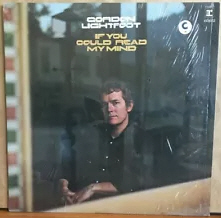 Because of my belief in dreams, I am nothing if not impractical, and heavily influenced–actually under the spell–of these two songs for a lifetime, and while I cannot duplicate the quality of the songs, much less an old-time Troubador, I have always infused their spirit and spell in my work. That is to say, I lead my characters astray and want to hypnotize readers into following them–as Lightfoot says–“While the old guitar rings.”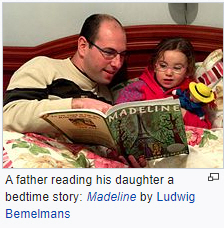
 If one looks at our stories with the combined eye of a mystic, a shaman, a conjurer, an alchemist, and a quantum scientist, the tapestry of the world’s people becomes a little clearer. We see synchronicities rather than coincidences. We toss out the idea of fate, if not destiny, and maybe on nights when the moon is bright and the flowers and birds are quiet, we glimpse the whole of the world’s stories.
 Praise the good Lord, as the deacon would say, for Pollyanna chose that moment to drive her grey Ford truck through the busted section of the wrought iron fence into the back yard. She wore her favorite green capri pants, black blouse, black slingback sandals, and a wide smile that showed off her new black lipstick and matching nail polish.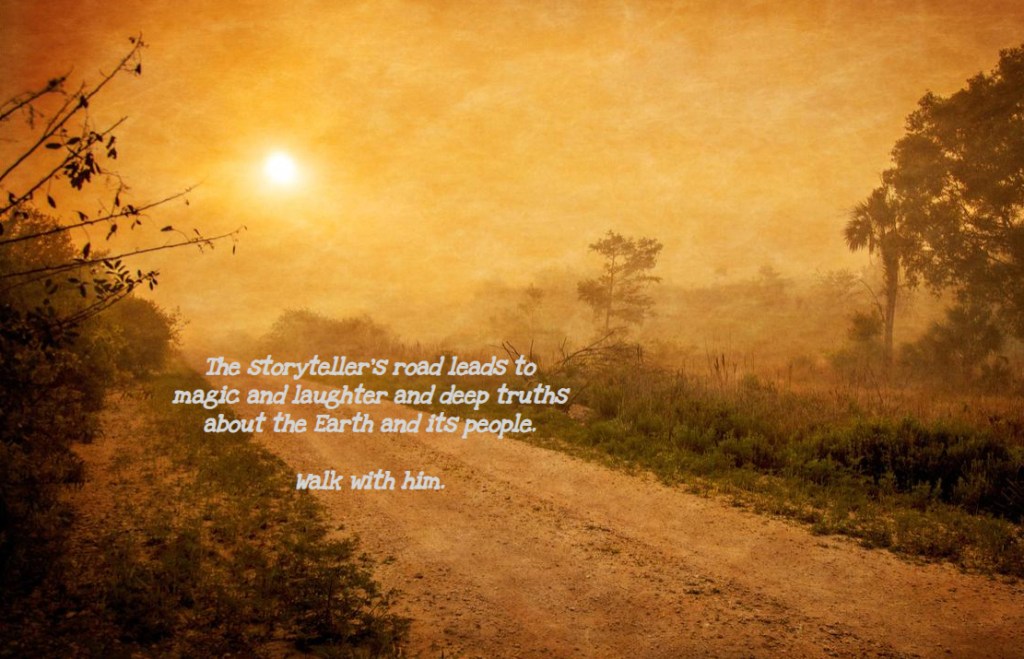
 Malcolm's Round Table