Some people say we–as individuals and groups–create our own reality. And by this, I mean the literal reality we experience rather than the more limited (but true) idea that we control how we view and react to reality.
The belief that we create the future we’re stepping into is a hard sell because, in part, nobody wants to take responsibility for fabricating a “bad things happen to good people” world for themselves. My response to that is usually, then create a reality in which bad things don’t happen.
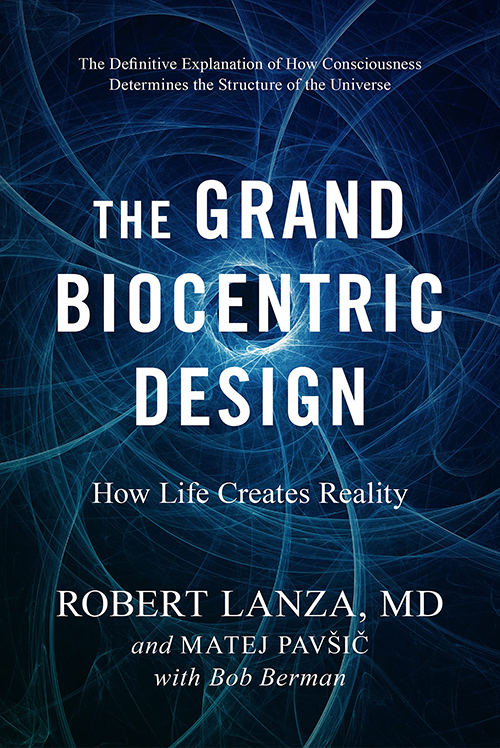 This subject has been on my mind for a lifetime and, quite likely, many lifetimes. Since it’s a belief and not an avocation, I don’t have (or want) the kinds of credentials or resume that leading proponents of this belief such as Robert Lanza can bring to a debate. I don’t even remember when I first stumbled across the concept, though I think it was in high school. But it’s always made sense to me even though it’s never good to tell others that such things make sense to me.
I don’t want to go through life fielding questions like: “So Malcolm, what you’re saying is that if a person is killed in a terrible car accident, they created that accident?”
Yes, I am.
The idea that something like that could be true is senseless if one believes life is what it appears to be: you’re born, you do various things, you die, and that’s all she wrote. This belief seems so flawed to me, I don’t know where to begin. But it’s the consensus, I think, even for those who devoutly believe in an afterlife.
But I think life is more complex than the idea that we only have one life so we best make the most of it.
Yes, we should make the most of it, though I think we’ll be back. And part of making the most of it is learning how to cope with the realities we create. I have no need to convince you of this, though I do think it’s worth pondering.
 When I used to read Tarot cards and the I Ching, people were simultaneously curious about the future and nervous about hearing what it might be. A person’s feelings about the results of fortune telling were based to a great extent on what exactly they thought the future was/is.
 The best point of view I heard about a psychic reading is an old one, one that proposes that a reader is standing on the roof of a tall building viewing multiple city streets that are, of course, not totally visible to people or cars on those streets. S/he sees two cars approaching an intersection without traffic signals. They’re moving a the same speed. One prediction might be that there will be a collision. Yet that prediction is not fixed because either car may change its speed, pull into a parking garage, or stop at a store. The prediction, then, is merely a possibility based on current conditions.
 Some quantum physicists say that everything that can happen, will happen in one universe or another. This tends to be my view because I believe we create our own reality. That is to say, the future is what we are creating unconsciously (usually). A lot of people subscribe to this idea in a speculative sense but deny it when it’s applied to real conditions. They don’t want to believe that if they’re in one of the two cars the psychic sees from the roof of the tall building, they have chosen to be in the collision if there is one.
 Captain Kirk, aka William Shatner, was absolutely fearless when he flew aboard a Blue Origin mission nearly 350,000 feet above the Earth’s surface. The risk wasn’t his age–the oldest guy to ride a rocket into space–but all the villains waiting for him to let his guard down.


 Even though we’re not watching reality, we’re still watching players acting and reacting in a fishbowl. Watching this is an interesting experience for a writer whose stock in trade is people watching.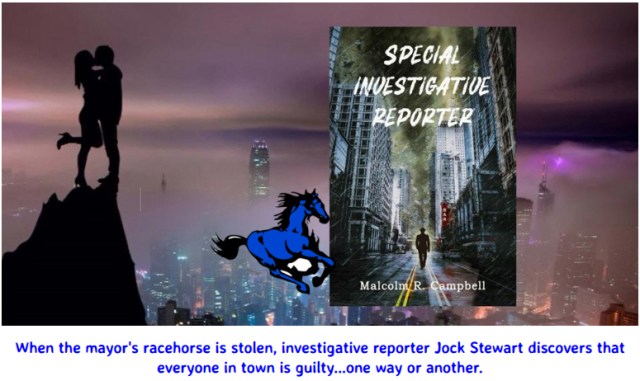

 Malcolm's Round Table