Beyond Schoolmarms and Madams: Montana Women’s Stories, edited by Martha Kohl (Montana Historical Society Press: May 2016), 288 pages, over 100 photographs.
 When the histories of the west we studied in high school were written, the emphasis was on great men, both saints and devils, and what they did. We’re slowly finding out there was more to the story; this new book edited by Martha Kohl is part of our re-education. (I’m not sure why the cover photograph shown on Amazon has a slightly different subtitle than the book’s listing or the cover as shown on the MHS site.)
From the Publisher:
“Sheriff Garfield had just been elected to a second term in 1920 when he was fatally shot. His wife Ruth, a ranching woman with a young son, set aside her grief to serve out her husband’s term. She was Montana’s first female sheriff and served two years.
“Stories like Ruth Garfield’s fill the pages of Beyond Schoolmarms and Madams: Montana Women’s Stories. The women featured in this book range from late eighteenth-century Indian women warriors to twenty-first century Blackfeet banker Elouise Cobell. They span geography―from the western Montana women who worked for the Forest Service, to Miles City doctor Sadie Lindeberg. And they span ideology―from the members of the Montana Federation of Colored Women’s Clubs, who led the fight for laws banning segregation in public accommodations, to the Women of the Ku Klux Klan. With grit and foresight, these women shaped Montana.”
From the Great Falls Tribune:

“Historian Martha Kohl edited the project, which grew from the MHS Women’s History Matters project marking 100 years of women’s suffrage in the state. Kohl started informally asking people to name 10 women in Montana history.
“Even the best educated seemed to stall at three — Sacajawea, Congresswoman Jeannette Rankin and photographer Evelyn Cameron. But then the stories came of great-grandmothers who homesteaded, widowed mothers who eked out a living in Butte and aunts who served during World War II.
“’In other words, Montanans knew about fascinating women — they just didn’t consider them historical,’ Kohl wrote.”
Martha Kohl (“Montana: Stories of the Land” and “I Do: A Cultural History of Montana Weddings” [see my blog post about that book]) is a historical specialist at the Montana Historical Society.
Many of the essays in the book previously appeared on the MHS webpage Women’s History Matters: 1914 – 2014. The site also contains other references of interest to educators and historians.
According to the San Francisco Book Review, “Each of these stories are short, around three pages or so, and often accompanied by a picture. They tell an interesting story and that is what the contributors bring to life. A story that has been ignored, and if it wasn’t for contributors like these, then these stories would likely be lost forever. Hopefully something like this will bring a closer look to other states and their stories.”
–Malcolm


 Personally, I don’t think an embargo on consumer products ever made sense, much less now.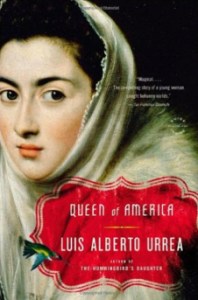

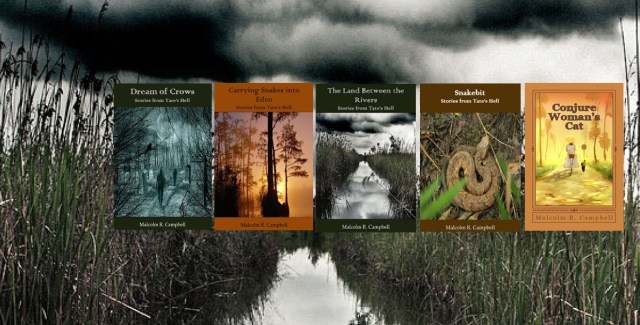

 P.S. The St. Louis ghost in this short story is real. To learn more about Patience Worth,
  Sarabande: “Campbell describes a rape scene that is difficult to read, yet at the same time, earns my respect with his skill in describing this scene, and its aftermath on the woman. Indeed, I had to keep reminding myself I was reading the writing of a male author. It is rare to find this ability in an author to cross genders even in everyday basics such as conversation, mannerisms. To do so in describing the effect of rape on a woman’s body and psyche is nothing short of amazing. Campbell nails it: her anger, her pain, her humiliation, her ferocity that eventually takes her from victim to survivor to avenger.” – Zinta Aistars, Smoking Poet Magazine
 Conjure Woman’s Cat: “The story is set in the Florida panhandle in the 1950’s in a society dominated by racism, and tackles the serious issues of white violence, rape, day-to-day prejudice and mother/daughter relationships. This is a book that packs a lot into its 166 pages. Despite this bleak subject matter the book is beautifully written, allowing this Brit a vision of a place which the author knows well and clearly loves. The contrast of the natural beauty highlights the ugliness of human behaviour.” Zoe Brooks, Magical Realism Review Site


 Malcolm's Round Table