United States Army Field Manuals are published by the United States Army‘s Army Publishing Directorate. As of 27 July 2007, some 542 field manuals were in use.[1] They contain detailed information and how-tos for procedures important to soldiers serving in the field. – Wikipedia

These manuals are a wonder for writers researching multiple subjects whether writing about war/battles or not. I’ve used the first aid manuals for years because they show the basic techniques that can be applied in the field by non-medical personnel. If one of your characters breaks a leg, for example, the field manual shows you what first aid to use.
The manuals can be found in a variety of places, some for sale on Amazon, others are various free sites. Click on the word “Wikipedia” after the quote above for an overview. One handy downloading source (various formats) can be found at the US Military Manual Collection website. There’s quite a list here.
There’s good stuff (e.g. Sniper Training) for writers doing novels about battles and black ops. For general writing, there’s Map Reading and Land Navigation (very good: used this in ROTC and Scouting), Basic Cold Weather Manual, Carpentry, Welding, Diving.
Maybe you’ll find something here that helps your research.
Click on my name and you’ll find my Facebook Author’s Profile. Every day, I fill it with links to book reviews, author interviews, and publishing information.
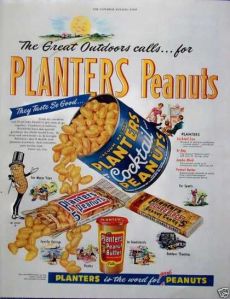 The last scene took place at a grocery store. Okay, when somebody entered the store, what kinds of posters, die-cut signs, and hand-written specials did they see on the window sill or window? I found a great Noxzema suburn cream sign, a nice Planters Peanuts poster, and a list of the meat prices per pound.
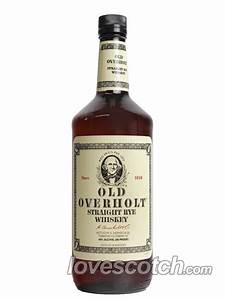 What are they having to eat? I knew part of this already, but did a bit of online checking. The menu: porterhouse steak, corn, collards with ham hocks, baked potatoes, corn bread, and macaroni salad. The men are drinking either Jax Beer or Old Overholt Rye whiskey. I would enjoy all of this except for the Rye which I never liked.
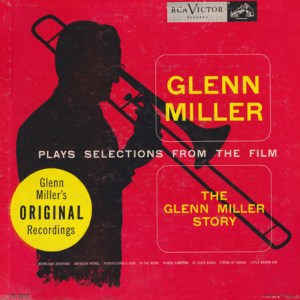 had a three-in-one (78, 45, and 33 and 1/3 rpm) record player, I needed to make sure they had something to listen to. Since the men in the family are KKK members, they won’t be listening to jazz, blues, or gospel. Glenn Miller seemed like a safe choice.

 I do the same thing with movies because trying to set up closed captioning at a theater is a who needs it, so I seldom see any film before it reaches TV with closed captioning. I guess this is just part of getting old. By the time I read a book or see a film, the discussion has moved on to something newer. Sigh.
 If I’d known that a romance novel with a title similar to a famous Hollywood movie, one categorized on Amazon as Erotic Thrillers, Romantic Erotica, Erotic Suspense, was in the running, would have waited a few weeks before signing up for another contest.
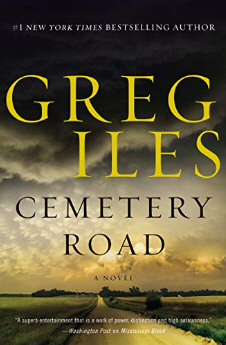 The protagonist, Pulitzer-prize winning journalist Marshall McEwan, returns to the small town where he grew up because his father is in ill health and his newspaper business is failing. (I would have used a different name since this one is too close to Marshall McLuhan, the famous media expert and philosopher). Marshall’s old friend is murdered and thus begins the current-day primary plot of the novel.

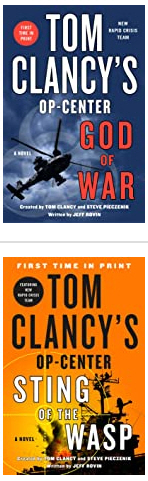 I feel the same way when I’m reading “Tom Clancy,” James Patterson, and other series in which the good guys see a threat, analyze it, and then put a stop to it. Like Jack Bauer, these good guys operate in groups that are out from under any umbrella of legalities that (as they say) “hampers” black ops.
 Malcolm's Round Table