Satire is a genre of the visual, literary, and performing arts, usually in the form of fiction and less frequently non-fiction, in which vices, follies, abuses, and shortcomings are held up to ridicule, often with the intent of exposing or shaming the perceived flaws of individuals, corporations, government, or society itself into improvement.[1] Although satire is usually meant to be humorous, its greater purpose is often constructive social criticism, using wit to draw attention to both particular and wider issues in society. – Wikipedia
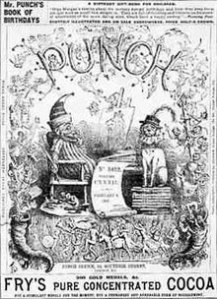 Used to be all it took to write satire was a good imagination and a love of dark humor. Now, those days are gone with the wind–and grieved, as Thomas Wolfe might say. I loved finding absurd government actions and making up stories that were much worse and more humorous.
I was trained by the writers of Mad Magazine and Punch.
Now, the government has become much worse, and making it worse in a satirical news story is already too close to the truth to make people laugh. (Not counting crazy people who, actually, are running the county.)
In the old days, I might write a headline like this:
Pacifists kill people to draw attention to horror of killing people.
Now protests often come with violence, and it’s hard to make a joke of it.
Or:
Feds pave road to hell with mob concrete.
Now hell is right here on our doorsteps, compliments of both sides of the aisle. (As a Libertarian, I can poke fun at everyone.)
Today, I might write:
Foreign aid now headed for blue states.
 And yet, with the calamity that’s befallen USAID, I can’t make myself write that kind of satirical story because–as it turns out–“Mad Magazine” has become the Feds’ policy manual. Think of the money that’s being saved by reading the magazine rather than drafting policies from scratch. Yeah, that’ll work until DOGE kills off the magazine.
I’d rather write a story with this headline:
DOGE Pulls Plug on Itself
Maybe my satirical story will become a prophecy. I can only hope.
–Malcolm

 L
L o
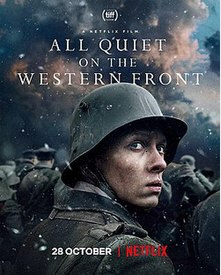
o oking back takes time because it’s a long trip. I do remember reading All Quiet on the Western Front and knowing–even as I read it–I would carry the scars of that story forever. That book is one reason I became a pacifist. I’m not sure about everything I think I see while looking back because I’ve used so many of my personal stories in my fiction. So I wonder, did that really happen or did I make it up. Most of the people who could answer that question are gone or, perhaps, fictional. In my youth, the KKK was real and my first real fear. They were everywhere. They burnt a cross on my minister’s lawn. All that was too evil to make up so it made its way into my books. I changed the names of the people I knew who were members of the very visible invisible empire. The same goes for the real people in my Navy experience.
 At this point, I feel like I’m reading the author’s rough sketch of the action without being allowed to see the action because, probably, the author couldn’t see it either. To some extent, this is yet another show don’t tell issue. Obviously, a writer cannot show everything unless s/he wants a thousand-word novel. But s/he has to show enough for the reader’s imagination to be drawn into an event that seems real rather than a mind game–or an outline.
 Newspaper: Do you come here often?


 The last scene took place at a grocery store. Okay, when somebody entered the store, what kinds of posters, die-cut signs, and hand-written specials did they see on the window sill or window? I found a great Noxzema suburn cream sign, a nice Planters Peanuts poster, and a list of the meat prices per pound.
 What are they having to eat? I knew part of this already, but did a bit of online checking. The menu: porterhouse steak, corn, collards with ham hocks, baked potatoes, corn bread, and macaroni salad. The men are drinking either Jax Beer or Old Overholt Rye whiskey. I would enjoy all of this except for the Rye which I never liked.
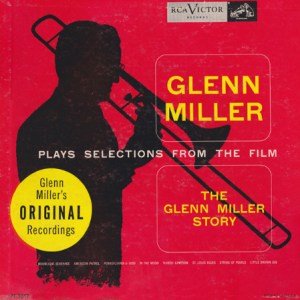 had a three-in-one (78, 45, and 33 and 1/3 rpm) record player, I needed to make sure they had something to listen to. Since the men in the family are KKK members, they won’t be listening to jazz, blues, or gospel. Glenn Miller seemed like a safe choice.
 So, we start avoiding the manuscript for weeks at a time. The next time we look at it, the thrill is gone. What we thought was going to be a joyous story looks more and more like raw sewage.

 Malcolm's Round Table