 When YouTube first showed up in 2005, I thought all it was good for was as a place to watch old band concerts, book promotion trailers, and old TV shows. Over time, my wife (who likes to repair stuff) found that almost anything you want to fix–from a complex shower faucet to a riding mower carburettor–has a how-to video on YouTube. My granddaugher, who’s into crafts, showed me that almost anything she wanted to make had step-by-step YouTube instructions. Heck, YouTube is now hooked up to our TV so we can watch old episodes of our favorite old shows.
I’m the last person in the family to embrace YouTube.
Case in point. When I realized I needed more info about the harness used in a packtrain, my print-oriented brain first led me to articles and then a couple of books about saddles, harnesses, knots, and panniers (for cargo). These articles/books had great drawings and were put together by people who still lead packtrains into roadless areas.
 One thing that just wasn’t making sense to me was tailing a packtrain, that is, connecting each horse in the train via a rope to that tail of the horse in front of it. I couldn’t believe that in 2021 there would be a YouTube video showing how to do this. Now it makes sense. No, it doesn’t hurt because the rope leads rather than pulls the following horse.
Seeing multiple videos about packtrain harness has made it much easier to write the book even though I know the pros will realize I’m a tenderfoot with a recipe. I don’t know why people make these videos. Maybe they’re showing off their knowledge or maybe they honestly have skills that are fun to pass along. Whoever they are, I’m glad they show and tell the rest of us how to do what we need to know how to do.
So, guess what? If you need to know how to do something for a novel, there just might be a how-to video.
–Malcolm
Malcolm R. Campbell
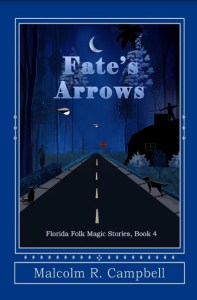 Publisher: Thomas-Jacob Publishing



 Sometimes the notes go into a file folder. Sometimes I type them into a DOC file. File folders get lost. DOC files disappear when hard drives crash. What’s left after that? The memory that you used to know something, but now you don’t.


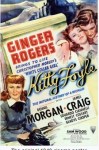 P. S. – My older woman character named Sparrow wears a Kitty Foyle dress that was popular in the 1940s. If you’re not sure what the dress looks like, you can watch Ginger Rogers in the film “Kitty Foyle.” Rogers won an academy award and the dress she wore in the film endured.
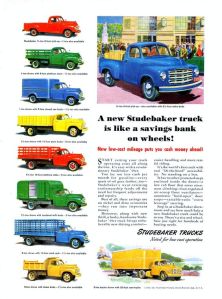
 Writers see ads others don’t see because we’re always researching something. For the novel in progress, I checked on the kind of Khaki a middle-aged person might wear in the early 1950s. Now, Khaki ads are showing up on Facebook, on news sites, and everywhere else I’m going on the Internet. At least, on Facebook, you can make the ad go away if you say you’ve already bought the stuff.
 The last scene took place at a grocery store. Okay, when somebody entered the store, what kinds of posters, die-cut signs, and hand-written specials did they see on the window sill or window? I found a great Noxzema suburn cream sign, a nice Planters Peanuts poster, and a list of the meat prices per pound.
 What are they having to eat? I knew part of this already, but did a bit of online checking. The menu: porterhouse steak, corn, collards with ham hocks, baked potatoes, corn bread, and macaroni salad. The men are drinking either Jax Beer or Old Overholt Rye whiskey. I would enjoy all of this except for the Rye which I never liked.
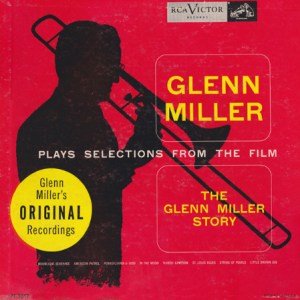 had a three-in-one (78, 45, and 33 and 1/3 rpm) record player, I needed to make sure they had something to listen to. Since the men in the family are KKK members, they won’t be listening to jazz, blues, or gospel. Glenn Miller seemed like a safe choice.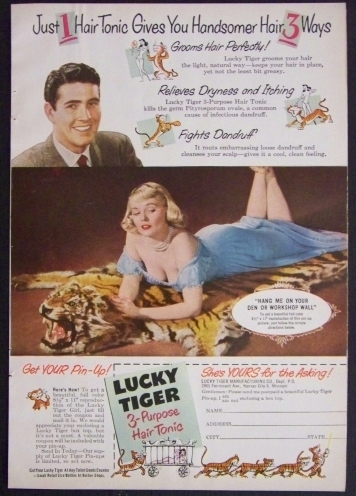

 Malcolm's Round Table