I think the first time I did that was when my grandparents insisted that I was to eat a turkey drumstick at Thanksgiving dinner when I was in junior high school. I wasn’t prepared for the size of the thing or the thin bones hidden inside it. But, I finally ate the whole thing. In one meal. Before it got dark. And, food wise, that wasn’t to be the last time that happened.
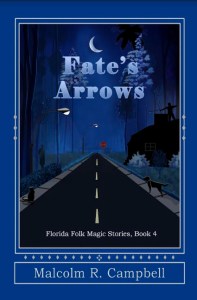
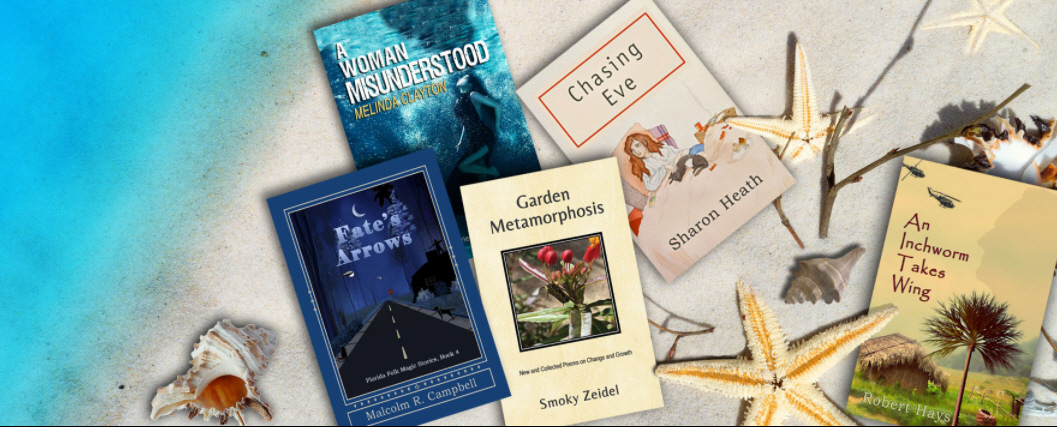
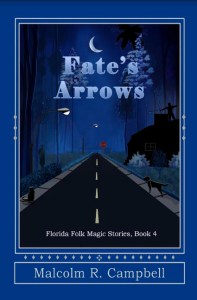 This time, it’s the novel in progress which, if I don’t get my teeth sharpened up, could turn into a real turkey and that would tick off my understanding publisher. So, my apologies for the length of time that’s passing by since the release of my last book, Fate’s Arrows in 2020. Like a turkey drumstick to a guy used to fried chicken, Cornish game hens, and squabs, this book was supposed to be essentially a short novel or a long novella. But once I got into it, I realized that–as a continuation of the story in Fate’s Arrows–it was a lot longer and more complex than I expected.
If I were the kind of person who outlined novels, before I write them, I wouldn’t be telling you why Avenging Angels isn’t ready, or won’t be ready soon. But, I’m not the kind of person who outlines novels before I write them because I don’t know what’s going to happen or here things will go until I start writing them. I follow the stories like a blind man who doesn’t know the size of the drumstick on his plate.
As it turns out, the drumstick on my plate weighs nearly two pounds and comes from an Ostrich. What fresh hell is this? According to a 2016 story in the Chicago Tribune, “Thirty years ago, farmers and breeders flocked to the ostrich business, oversaturating it. But without consumer demand to match and a vulnerability to scams, the industry plummeted as quickly as it had prepared to take off.” Bottom line, nobody around here sells Ostrich meat. So, I had not reason to suspect that dark angels would put such a thing on my plate.
 If Ostrich really tastes sort of like venison, I would like it. So I hope that when I finally get enough spare room inside my mouth to chew what I ended up with, I’ll make better progress with this book. And, when it comes out, I hope you’ll like it even thought it will probably be darker and grittier than Fate’s Arrows. Let’s face it, there’s no good way to write a light-hearted book about the KKK because it’s members in Florida where my novels are set were more cruel than Shortfin Mako Sharks and quite likely lived next door. Your friendly sheriff was probably a member.
So, I’m still here, still writing, and still hoping I’ll finish this drumstick in the near future.
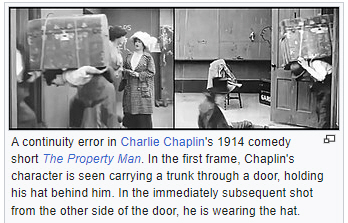 The last thing I want is readers telling me that a house–or even a sofa–keeps changing color from book to book. Or somebody’s hair or eye color. In “The Big Sleep,” Bogart said of his manners, “I don’t like them myself. They’re pretty bad. I grieve over them on long winter evenings.” I could say the same thing about my writing habits.
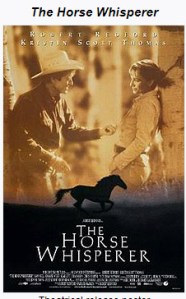 Like many avid–or perhaps crazed–readers, I have several go to books that never disappoint me when I re-read them while waiting for something new to arrive in the mail. I always re-read my favorite books of the year several times–such as those by Ruta Sepetys, Sunetra Gupta, and John Hart. But when I truly want to escape reality, I turn to Pat Conroy’s The Prince of Tides or Nicholas Evans’ The Horse Whisperer.
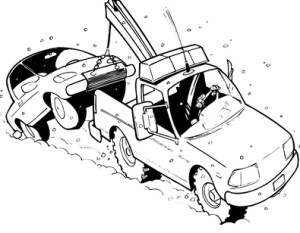 When the troubles are really bad, I call a tow truck and have them hauled into a cut-rate body shop where they (the purported experts) knock out the worst dents, fix the tail lights (so the cops have no excuse for pulling me over), and get rid of the blood. Once the trouble is dumped back in my driveway, nobody recognizes it for what it was.
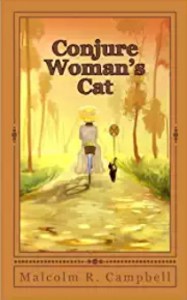
 She said I want to show you something but you can never tell your father. That “something” was a paperback novel called A Present for Harry (1967) written my my father’s younger brother Maury. Maury didn’t want Dad to know about it because, well, the cover and the title made it look sexier than it was and, according to my aunt, Maury just didn’t think it would help family harmony for the existence of the book, worse yet, the book itself, to get back to Florida where my parents lived.

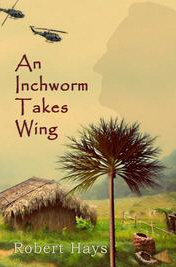


 When I was a college English department instructor, my “Bible” was The End of Intelligent Writing: Literary Politics in America (1974) by Richard Kostelanetz. My colleagues thought it was overly grim, though they didn’t worry about literary politics because they weren’t teaching their students how to become writers. Their students were simply supposed to enjoy literature and then if they enjoyed it enough, teach it to others.
 It’s a well-written story about two schoolgirls who, though opposites in many ways, become close friends and make a pact to remain best friends forever. One (Tully) becomes a rich and famous news anchor. The other (Kate), who showed a lot of promise as a writer, ended up having a busy family life as a stay-at-home mom.
 Malcolm's Round Table