 “The only thing that changes people is storytelling. If you tell a story then it’s either going to change somebody not at all, fundamentally or more often than not just at the edges and imperceptibly and maybe even enough so people will take it.” – Ken Burns
From a different perspective, Neil Gaiman has a strong view of the power of words when they’re shaped into a story, saying (for example), “Stories may well be lies, but they are good lies that say true things, and which can sometimes pay the rent.”
 Wikipedia writes that “Storytelling is the social and cultural activity of sharing stories, sometimes with improvisation, theatrics or embellishment. Every culture has its own stories or narratives, which are shared as a means of entertainment, education, cultural preservation or instilling moral values. Crucial elements of stories and storytelling include plot, characters and narrative point of view. The term “storytelling” can refer specifically to oral storytelling but also broadly to techniques used in other media to unfold or disclose the narrative of a story.”
One primary focus after a funeral is telling stories about the dearly departed. Through them, we not only share our memories, often with smiles and laughter. Doing this is universal and so patently human. Unless the deceased is famous, these stories represent the last time many of the tales will be told, and the memories are put on display for younger generations. It’s a sweet time.
We tend to share a lot of “remember when” yarns when we talk in bars, barbecues, reunions, and company picnics. Morals, history, events, and points of view are all part of the mix. If you look through the comments in an old high school or college yearbook, you’ll find a lot of history about the students and faculty.
 Without all this sharing of events from our shared past, I think most of us would feel disconnected and alone. It’s as though stories flow through our veins. In many episodes of “Finding Your Roots” with Henry Louis Gates, a fair number of people appear on the show with no idea about their ancestries. Sometimes they never know their parents, much less their grandparents. Or, for a variety of reasons, their parents never shared any stories about grandparents and great-grandparents. So they were adrift in time and space.
I know who my grandparents were because I met them and heard stories about them and read their letters to my parents. What a pity that so many people have no stories to connect them to their familial past. So much of what should be close to us remains unknown due to the lack of stories.
Ken Burns’ story in last night’s episode about the slaughter of the buffalo in the years prior to the 1890s, wasn’t a story we wanted to hear. But we had to hear it. It’s our heritage, our past, and a defining period in our history. Once you hear this story you will be changed. That’s what stories do for better or worse.
 “This film will be the biography of the continent’s most magnificent species, an improbable, shaggy beast that nonetheless has found itself at the center of many of our nation’s most thrilling, mythic, and sometimes heartbreaking tales. It is a quintessentially American story, filled with a diverse cast of fascinating characters. But it is also a morality tale encompassing two important and historically significant lessons that resonate today.” – Ken Burns Website. I’m looking forward to this October 16 and 17.
 It upsets me to read that “progressive” university students support the terrorist organization Hamas which is backed by Qatar and Iran under the pretense that it’s the real government of Palestine. The reports of Hamas’ attack against Israel read as war crimes, not legitimate protests against Palestinian problems. I stand by Israel against these barbaric terrorist organizations that won’t leave it alone.
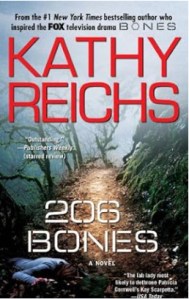 I continue to enjoy the Kathy Reichs “Temperance Brennan” series of novels, having just ordered the 12th book in the series 206 Bones. I started reading these novels to learn more about the inspiration behind the “Bones” TV series and have not been disappointed. They read well, often put Temperance in danger when she goes into the field on her own recognizance, and have plenty of humor.
 As I fight against the stomach infection I got in June from unknown sources, I see that even after two rounds of antibiotics (along with green tea), the old medication Tagament that cured my stomach when this first happened years ago may prove to be the most effective. When I first had it, it was a prescription drug. Now it’s OTC. I’m feeling better.
 It’s been interesting noting the difference between “Chicago Fire” and the older series “Emergency.” The fire trucks on “Emergency” hit the burning structure with water immediately while “Chicago Fire” sends firefighters into the burning building first to search for those trapped and/or injured without charging up a hose. The “Chicago Fire” approach makes for good drama but intuitively looks like a wrong-headed way to fight fires. My own experience comes from a hands-on Navy fire fighting school. And yes, we learned that water will put out an oil fire.
 If you’re still watching “Survivor,” then perhaps you’ll understand that since I did not grok Yam Yam that meant, according to my experience with this show, he would end up winning. And now we read that the next season will feature 90-minute episodes instead of one-hour episodes. I’m not sure I can cope with that much “reality.”
 However, I want to quickly point out that we do watch quality programs like the three-day documentary about FDR. The producers and directors did, I think, a great job capturing many hours of a man’s Presidency and the years leading up to it. We learned about him many years ago in school, but documentaries with actors playing the lead roles clarify those dusty memories from history class.
 Upcoming is another Ken Burns film. I think we’ve seen all of them because we enjoy the superb storytelling and great cinematography. The “American Buffalo” will air on October 16 and 17. According to Burns’ website, “This film will be the biography of the continent’s most magnificent species, an improbable, shaggy beast that nonetheless has found itself at the center of many of our nation’s most thrilling, mythic, and sometimes heartbreaking tales. It is a quintessentially American story, filled with a diverse cast of fascinating characters. But it is also a morality tale encompassing two important and historically significant lessons that resonate today.”
 When the song first came out, I was working at Northwestern University and discovered I was part of a group who couldn’t get the song out of my head once it was played on the radio 100000 times. With therapy, I finally got rid of it. Now it’s come back.

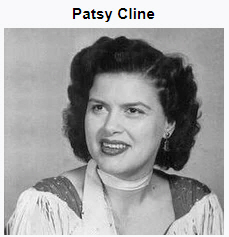 I liked Joan Baez and Patsy Cline, among others. The episode of Burns’ documentary that ended with the death of Patsy Cline was difficult for me to watch, especially with her voice over the closing credits. I remember when it happened. I took it hard then, and Burns’ documentary brought it all back. When Cline sang, it felt like she was in the room with me. Yes, I know, a million other people thought the same thing because her voice was personal and perfect.

 Malcolm's Round Table