Actually a lot of people know even though they might not know that they know. The troubles I’ve seen, experienced, and caused often end up in my novels and short stories.
Naturally, I take out the names of the guilty except my own which is on the cover.
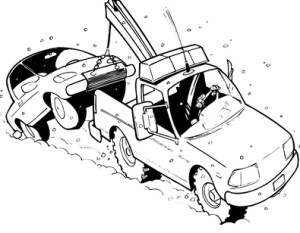 When the troubles are really bad, I call a tow truck and have them hauled into a cut-rate body shop where they (the purported experts) knock out the worst dents, fix the tail lights (so the cops have no excuse for pulling me over), and get rid of the blood. Once the trouble is dumped back in my driveway, nobody recognizes it for what it was.
People love reading about troubles because they want to vicariously experence the fear, angst, thrills, loathing, and sickness unto death without walking the walk. That’s why there’s always more bad news than good news, and why King, Grisham, and Patterson sell a lot of books. People always seem to be attracted to bad things that happen to other people and, when they can, they go on TV and say, “He seemed like such a nice kid.”
But for heaven’s sake, don’t keep a diary because long after you’re dead, dead, and gone, some Wikipedia writer will say, “Hey, you know all those murder mysteries Lucy Lake wrote about? She really killed all those people, changed their names, and laughed all the way to the bank to deposit her royalty checks.” That revelation wil increase sales after you’re dead, but the blemish to your legacy will probably delete your legacy.
So, what have we learned?
- Tidy up your troubles.
- Change the names of the guilty.
- Turn your troubles into riveting page turners.
- Destroy all diaries, letters, and Facebook entries that will haunt you and/or your heirs.
- Act like the kind of person who would never do the stuff you write about.
With this advice, James Patterson will be calling you soon to collaborate on a bestseller from Grand Central Publishing. No doubt, it will be a riveting page turner.
Once you’re rich and famous, feel free to list me as a mentor in your acknowledgements.
Sometimes, you can turn troubles into satire:


 My memorites of time served in the navy, working as a seasonal employee in Glacier National Park, Boy Scout camping trips, various jobs and all kinds of hobbies and avocation have provided the inspiration behind a lot of my work. The danger here is that when you’re almost older than dirt, the fictional version of those memories used in your novels and stories gets mixed up with what really happened. (I should have kept a diary.)

 onight’s dinner is Kraft Mac & Cheese. Any questions?
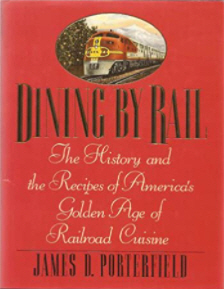 Dining by Rail. This is my favorite book of railroad dining car recipes and history. The book was written by a chef who compiled these culinary delights for home use. See my review on the
  Finally, Kumquats. Every year during kumquat season, I ask the produce manager at Publix where they’ve hidden in kumquats. The what? So, I’ve gone to the Publix website and asked the same question, and for years I’ve heard stuff like “our grower switched to another product” and “the kumquats got carried off by seagulls and manatees.” This year, for a brief shining moment, the store had kumquats. I think I bought most of them.
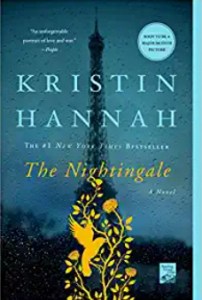 Re-reading great books: I re-read books that I like multiple times. This week, it’s Kristin Hannah’s The Nightingale. This book is beautifully written even thought the Nazi actions and characters make me angry enough to spit nails–or worse. As an author, I’m impressed with the research Hannah had to do get her facts right while creating an authentic ambiance for the times and people. I feel the same way about The Dove Keepers and a few other books that my reading addicition draws me back to again and again.
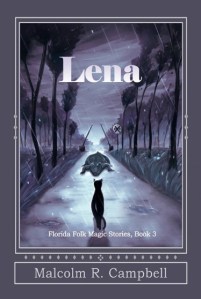




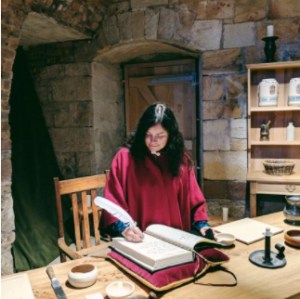
 I guess we all assume that what we experience while writing is similar to what other authors experience. Since I “automatically ‘see'” the characters and locations I’m creating in my fiction, I wondered how visualization could be distracting, much less take an effort to accomplish.
 Malcolm's Round Table