How can you not love a great city park?

“One of the most important but least recognized essentials to an attractive and healthy urban environment is a well-designed and well-maintained network of city parks—an essential component of any city’s infrastructure. Parks support public health, the economy, the environment, education, and community cohesion. They are also critical to workforce development, particularly green career tracks. Parks make our cities sustainable, livable and vibrant.” – City Parks Alliance
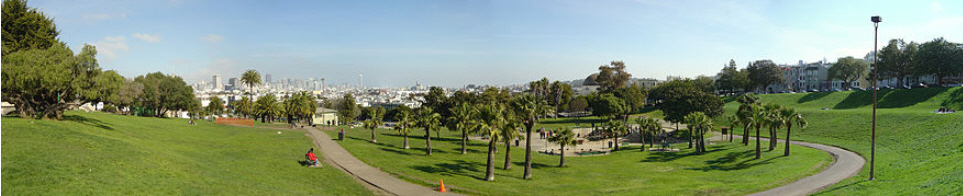
Mission Dolores Park, San Francisco - Wikipedia photo
Mission Dolores Park, San Francisco – Wikipedia photo

Do you have a favorite city park?

I remember the parks of my childhood, Winthrop and Myers in Tallahassee, Florida; Nelson and Fairview in Decatur, Illinois; and Golden Gate in San Francisco.

If you’re a New Yorker, perhaps Central Park or Union Square Park or Bryant Park fits your style. In Boston, perhaps you stroll about the Boston Commons.  In San Francisco, you may like Mission Dolores Park–I do, I once had an apartment next to it. Forest Park in St. Louis has a lot to offer as does Griffith Park in Los Angeles.

Forest Park, St. Louis - "Help sustain Forest Park as it sustains us all."  - Forest Park Forever
Forest Park, St. Louis – “Help sustain Forest Park as it sustains us all.” – Forest Park Forever

Many of us enjoy little pocked parks whose names aren’t well known outside their neighborhoods. Some of them are great for lunch with business associates; others appeal to dog owners and their pets; and some feature swings and green space for children.

Every time I receive a copy of “land + people,” the publication of the Trust for Public Land, I smile. Why? This magazine is a celebration of parks. New Parks being created. The latest innovations. Spotlights on trends and recent park ideas.

Some people criticize parks because they cost money, attract noise and/or “the wrong kind of people,” or create headaches when those who built them cannot afford to maintain them.

Griffith Park, Los Angeles - Wikipedia photo
Griffith Park, Los Angeles – Wikipedia photo

Aside from quality of life (as in beauty, play and relaxation), parks generally increase nearby property values, reduce hardscape, aid wildlife and increase the city’s tree canopy. Or, as the Trust for Public Land puts it, “We believe that everyone should have the opportunity to connect with nature. And as research clearly shows, access to nature is an essential prescription for the physical, environmental, social, and economic health of a community.”

I recently saw a link on Facebook to doctors who were prescribing time in a park for some of their patients. Many of the comments were along the lines of “about time.” Unlike some of the medications we’re given, park addiction is a habit we can live with. We’re hard pressed to live without it.

The current issue of “land + people” includes a photograph from Knight’s Pond in Cumberland, Maine, of a boy in old clothes walking along the shoreline with a net. The cutline reads, “Dragonflies and salamanders, fish and frogs–who knows what the day’s exploration will turn up. Every kid needs a place to discover the natural word.”

I like that. It reminds me of long childhood days. And it reminds me, too, that discovery of the natural world leads to respect.

–Malcolm

Malcolm R. Campbell is the author of “Conjure Woman’s Cat,” a 1950s-era novella set in the piney woods of the Florida Panhandle he discovered as a child. Thank you all for your support of this book:

CWC05072015

On Location: the Apalachicola River

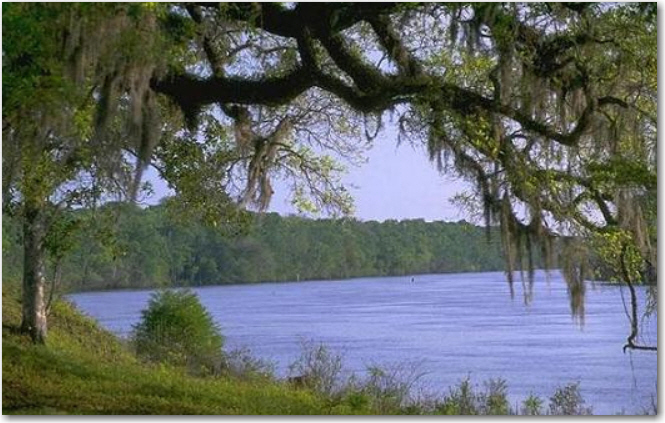
Near Ft. Gadsden - U.S. Dept of Agriculture photo on Flickr
Near Ft. Gadsden – U.S. Dept of Agriculture photo on Flickr

The Apalachicola River in the Florida Panhandle is created at the Georgia border by the Flint and Chattahoochee rivers and then flows 112 miles to the Gulf of Mexico. The river has been in the news in recent years as Florida, Georgia and Alabama fight over who owns the water. Atlanta takes more than its fair share, some say, starving natural areas North to South down the panhandle and, worse yet, the fragile ecosystem of Apalachicola Bay.

From the air, there are places where the river looks like a very large green snake because it twists and turns and almost coils back on itself. The ecosystems have been under stress for years. The river has been improperly dredged; the pine forests have been over logged and–when it comes to longleaf pines–poorly managed; roads to the timber have blocked natural water flows through swamps and other wetlands. The rare Florida Panther can no longer be found in the river’s watershed.

The Apalachicola River was the western boundary of my childhood, for we camped along its banks and on the barrier islands protecting the bay, sailed from its mouth to and from Alligator Point and the St. Marks River to the east, drove or walked every forest service road from Tallahassee to Tate’s Hell Forest (near the mouth of the river at Carrabelle), and experienced one of the most unique ecosystems in the country.

The Apalachicola Riverkeeper says that the river’s basin is home to 127 very rare plant and animal species along with more reptiles and amphibians than any other place in the in the northern hemisphere. The river is not only a resource many habitats, but also for kayakers, fishermen, paddle boaters, swimmers, photographers and–in the bay–a very large fishing industry.

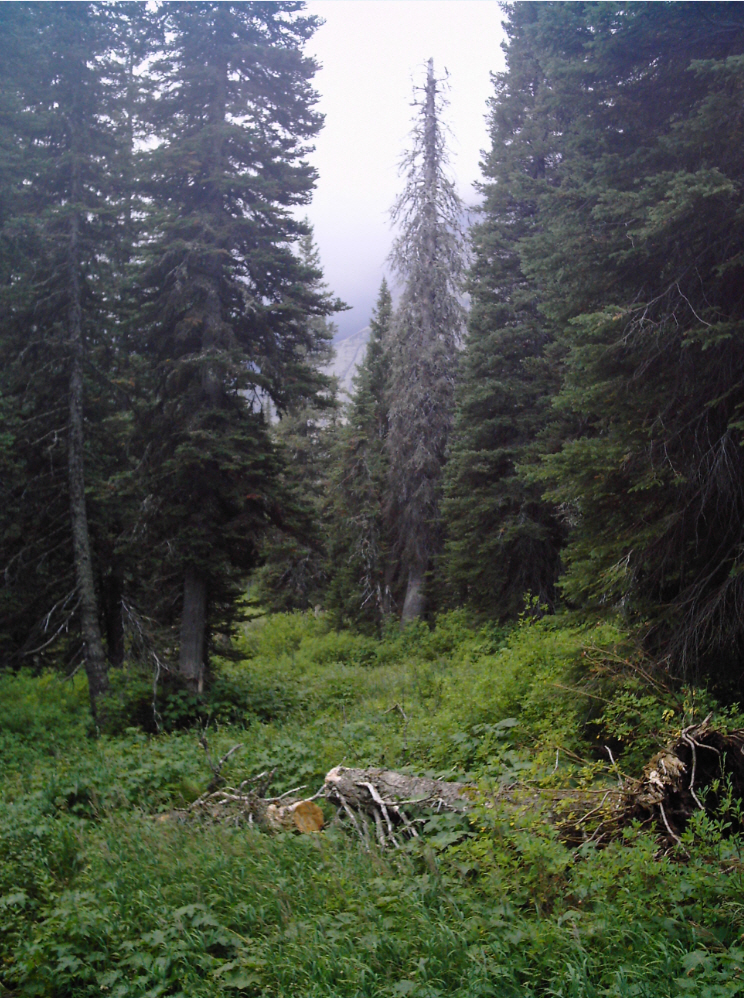
Pine flatwoods, typical of much of the areas national forests
Pine flatwoods, typical of much of the areas national forests – Geoff Gallico on Flickr

I’ve always been rather jealous of those who knew every plant in the swamp and forest as well as those who knew how to chart river flows, analyze soil and restore forest lands. The Nature Conservancy is at work in this area, trying to undo many years of damage while protecting lands from more “development.” Since I’m not a scientist or a naturalist, I try to focus on natural resources in my fiction. It’s my way of drawing attention to the environment.

Lately, I’ve been at work on a novella set in a fictional town a few miles from the Apalachicola River in Liberty County, the Florida county with the lowest population. In many ways it’s like going home to look at these areas again and put them into stories. I recently finished reading a political thriller novel called Mercedes Wore Black (which I review here.) The main character is an environmental reporter, making the book a very strong window framing Florida’s ongoing developers vs. the environment battles.

The author of that book lived in Florida more recently than I have and as a long-time reporter, she could focus more clearly on the issues from a practical standpoint. I try to focus on the locations and make readers aware of the ecosystems’ value in the scheme of things without getting into many political rants.

Some of my poet friends write poems about the environment. Photographers are taking pictures of things the way they are while hoping they won’t become the way they were. I’m pleased at the number of groups, blogs, Facebook pages and initiatives that are campaigning for various ways to save the land before we ruin it all.

Click on the photo to learn more about the river and the threats to it.

I’m not a political activist, though I’ve dabbled in it from time to time. My focus is fiction. Many of my readers’ focus is travel and outdoor recreation, often with a spiritual component. If you’re a writer, you can “go on location” in a dozen ways to pinpoint natural resources and the need to keep them natural.

There are times when I think that the land itself is an important “character” in my novels and stories. If the land draws you, then your pen, camera, blog and voice can help preserve it.

You May Also Like:

Malcolm

Malcolm R. Campbell’s novel “The Seeker” is partially set in Tate’s Hell Forest, while his short stories “The Land Between the Rivers,” “Emily’s Stories,” “Cora’s Crossing” and “Moonlight and Ghosts” also have Florida settings.

New edition of Patricia Damery’s ‘Farming Soul’

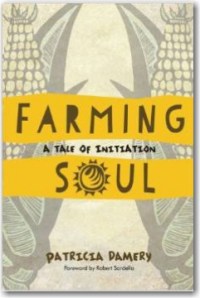
Leaping Goat Press has issued a new edition of Patricia Damery’s Farming Soul: A Tale of Initiation, a unique look at our relationship with our psyche and the natural world. I enjoyed the first edition of this mythic book when it appeared in 2010. Now, with a foreword by Robert Sardello, co-founder of the School of Spiritual Psychology, Farming Soul will transform the lives of more readers drawn to its wisdom.

From the Publisher

farmingsoul2014In the Foreword to the second edition, Robert Sardello states, “What differentiates this book from being an autobiography is the invitation to enter a unique form of initiation, one that seems so suitable to this age, this time, our given circumstances, now. This story is really a myth, a myth of the future.” A psychological and spiritual reckoning, ‘Farming Soul’ questions theories and assumptions that date back to the early 1900’s and the days of Freud, assumptions which have too often separated spirituality from psychology.

Suffering the trials of her own individuation process, Patricia Damery finds answers through a series of unconventional teachers and her relationship to the psyche and to the land—answers that are surprisingly deeply intertwined. One strand of ‘Farming Soul’ is about redeveloping a relationship to the land—Mother Earth—being rooted in a particular place and being guided by the tenets of Rudolf Steiner’s Biodynamic® Agriculture. Another strand is about Damery’s professional path of becoming a Jungian analyst, a path filled with review committees and unexpected and unorthodox teachers. It offers perspective on the complicated dynamic of therapist/patient bond and individuation, and a personal account of when one must step out on one’s own. Bringing together paths of spiritual, ecological, and psychological exploration, Farming Soul is a courageous offering that will help reconnect us to our deeper selves, the often untouched realities of soul, and at the same time ground us in our physical relationship to self and Mother Earth.

From my Review

Damery’s memories, dreams and reflections are woven from the warp and woof of her experiences arising out of analysis, meditation, shamanism and farming. “I understood,” she writes, “that the ‘garment of brightness’ from the Tewa song was being woven for me, and that, in time, perhaps I could ‘walk fittingly’ on this earth.”

Farmers, psychologists and other seekers on the path will find many correlations between their own journeys and the one that so beautifully unfolds in “Farming Soul.” Damery’s garment of brightness is kind lamp for eager eyes. Read the full review here.

Damery, a Jungian analyst and biodynamic farmer in the Napa Valley, is also the author of Goatsong and Snakes.

You May Also Like: New edition of ‘Snakes’ by Patricia Damery

Malcolm

Malcolm R. Campbell is the author of heroes’ and heroines’ journey novels and paranormal short stories, including “Moonlight and Ghosts.” “Moonlight and Ghosts” was inspired, in part, by his experiences with meditation techniques and his work as a home manager at a center for individuals with developmental disabilities.


Public Invited to Glacier’s Noxious Weed Blitz

from NPS Glacier:

Garden1Glacier National Park’s Citizen Science Program announces two opportunities to help with early detection of invasive plants along park trails: Noxious Weed Blitz on July 15 and an online training course for the Invasive Plants Citizen Science program. Both opportunities are free of charge and open to the public.

The fifth annual Noxious Weed Blitz will take place on Tuesday, July 15 from 10:00 a.m. to 4:00 p.m., meeting at the park’s community building in West Glacier. Participants will be trained to assist the Invasive Plant Management Program by learning to identify, map, and pull invasive plants. A free lunch will be provided by the Glacier National Park Conservancy. Be prepared to spend the afternoon in the outdoors, pulling invasive plants. Please bring gloves for hand pulling, footwear for hiking, and drinking water. Please RSVP if you would like to attend.

An online training opportunity teaches participants how to identify five targeted invasive plants, conduct surveys, and map locations of invasive plants using GPS units. Once training has been completed, visitors may check-out GPS units from the Crown of the Continent Research Learning Center to detect invasive plants while in the park. The online training program can be accessed http://www.crownscience.org/getinvolved/citizen-science/noxious-weeds.

The Invasive Plant Management Program at Glacier manages non-native invasive plants that displace native flora, interrupt ecological processes, or degrade natural scenery. Most infestations of invasive plants in the park are closely correlated to disturbed areas such as roadsides, recreational areas, and construction sites. However, the 700 miles of backcountry trails also provide a corridor for invasive plants to spread and monitoring is often difficult.

In 2008, the Invasive Plant Management Program and Crown of the Continent Research Learning Center established a citizen science program to enlist the help of the public to map the spread of invasive species in the backcountry. The Citizen Science Program, now in its ninth year, is supported by the Glacier National Park Conservancy, fostering stewardship while providing critical baseline information on Common Loons, mountain goats, pikas, and invasive plants. For more information about the Crown of the Continent Research Learning Center visit http://www.crownscience.org.

Attending the Noxious Weed Blitz or completing online training enables participants to continue monitoring invasive plants during future hikes in the backcountry. To sign-up for the Noxious Weed Blitz or learn more about the event please contact the Crown of the Continent Research Learning Center at 406-888-7986 or glac_citizen_science@nps.gov.

This has been a successful program in past years. I hope there’s a good turn out for it this summer.

-Malcolm

Saving the Florida Panther – I hope it’s not too late

“The Florida Panther is one of the most endangered mammals on the planet. Less than 160 cats remain in the wild. Most live around Okaloacoochee Slough, including the Florida Panther National Wildlife Refuge, near Naples.” – The Nature Conservancy

floridapantherI grew up in North Florida during the 1950s and 1960s before the state became as overdeveloped as it is now. At the time, there was a captive Florida Panther at a local animal museum that had been injured either by guns or automobiles and was there to recover. It was my favorite animal in the place, one that still lived in the wild in the Florida Panhandle.

In my contemporary fantasy novel The Seeker, (2022 update – now out of print) some of the action takes place at a wild, wonderful and somewhat forbidding tract of piney woods, swamps and wet prairies near the mouth of the Apalachicola River called “Tate’s Hell.” That name comes from the legendary man named Cebe Tate who chased a panther through the swamp because he thought it was killing his stock. He disappeared.

He was bitten by a rattlesnake. When searchers found him, his last words were, “My name’s Tate and I’ve been through hell.”

I grew up with that legend–one that included a folk song about Tate by Florida singer Will McLean–and knew the area well. So naturally, I mentioned the legend in my novel which is set at a time when Panthers were still there.

Catching up on the status of the Panther as I wrote the novel was a sad experience. While I was pleased to hear that in addition to the Nature Conservancy, organizations like Panther Net and Friends of the Florida Panther Refuge were working hard to protect the panther and its vanishing habitat, I was saddened to see how much ground and how many panthers had been lost since the says when I hiked in Tate’s Hell.

One conservation push in many areas of the country is wildlife corridors, protected strips or chunks of land that link up with vital habitats, creating a way for animals to travel between them. In some places, you will see green-space overpasses and underpasses routing animals past Interstate highways. Last year, the Nature Conservancy was able to protect a 1,278 acre tract in Glades County, Florida that Panthers in protected areas can use to increase the size of their range near Naples, FL.

According to the Nature Conservancy, “This acquisition will encourage the natural recovery of the Florida panther population by providing habitat where animals can den and stalk prey, and migrate from southern Florida to areas north of the river. Other species will benefit as well.” The range for a male panther is 200 square miles. The range for a female panther is a 75-mile block within the male’s territory.

I hope the efforts of hard-working people to save the Florida Panther will succeed. In a tourist and development-minded state, playgrounds often trump wild places and vital habitats in the eyes of the government, Chambers of Commerce, and the public. Too bad. It’s a short-sighted view of one’s world.

Malcolm

helppantherbanner

Event: The Environmental Crisis and the Living Quest of the Embodied Psyche, a dialogue

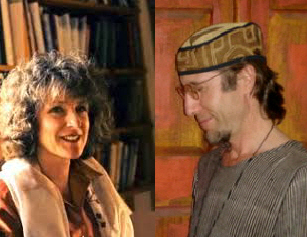
Two of my favorite authors, Patricia Damery and David Abram, will present a dialogue entitled “The Environmental Crisis and the Living Quest of the Embodied Psyche” on Friday, February 10, 2012, 7:00 to 9:30 p.m. at the The David Brower Center, 2150 Allston Way Berkeley, CA 94704. The event is hosted by the C.G. Jung Institute of San Francisco. Click here for tickets to the event.

Event Description from the Institute

Dammery and Abram

David Abram is a cultural ecologist and environmental philosopher whose lyrical evocations in his books, The Spell of the Sensuous and Becoming Animal: An Earthly Cosmology, have captivated a generation of readers. Patricia Damery, an analyst member of the C.G. Jung Institute, first learned to love the land as a child growing up on a farm in the Midwest and now farms a Biodynamic ranch in Napa, California. Patricia’s memoir, Farming Soul: A Tale of Initiation, as well as her novel, Snakes, address the preservation of our connection to the environment and explore the interconnected fabric of consciousness.

She and David Abram will explore the interplay of the embodied psyche and the destruction of whole ecological systems. What is the nature of the challenges with which we are presented? Is there evolutionary potential? This dialogue promises to be generative and exploratory in spirit—a truly unique event.

A Few Personal Thoughts

I cannot help but notice the fact that this event is taking place less than a mile from the house I lived in when I was born. However, my current residence is 2,168 miles away and, travel, food and lodging expenses being rather high, I’ll have to hope the event is recorded and then released as a video or printed transcript. The environment, I think, is our first duty. It is, so to speak, not only our nest but the nest of many thousands of other lives who are depending on a common-sense and loving collaborative effort with humankind to protect the place where we are born and live out our lives.

The  books by David Abram and Patricia Dammery celebrate our community nest. What a wonderful evening their dialogue will be. I am happy to echo the words Patricia wrote in a recent blog post: “Please enter this dialogue with your presence! Never has it been so important to renew our conversations with the not-human and the natural world. David is a lively and thoughtful speaker, and we are very fortunate to have him this evening in the Bay Area.”

Malcolm

Glacier Inspects 1,300 Boats for Aquatic Invasive Species (AIS)

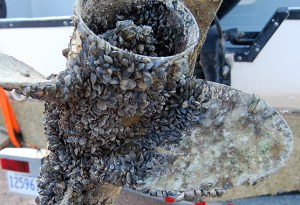
Boat propeller with quagga mussels - NPS photo

“Aquatic Invasive Species (AIS) are aquatic and terrestrial organisms and plants that have been introduced into new ecosystems (i.e. Great Lakes, San Francisco Bay, Florida, Hawaii) throughout the United States and the world and are both harming the natural resources in these ecosystems and threatening the human use of these resources. AIS are also considered to be ‘nuisance’ species or ‘exotic’ species and the terms are often used interchangeably.” NOAA Research

from NPS Glacier National Park:

Glacier National Park personnel performed almost 1,300 boat inspections during this past summer intended to reduce the risk of unintentional movement of aquatic invasive species (AIS) into park waters.

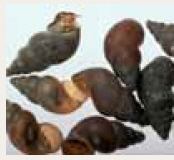
New Zealand mud snails - Nature Conservancy photo

“We put a lot of energy and resources into this program, but realize this is just the beginning of a long-term effort to protect the pristine waters of Glacier National Park and the Crown of the Continent Ecosystem against the devastating effects of aquatic invasive species,” said Glacier National Park Superintendent Chas Cartwright.

Glacier National Park contains the headwaters of three continental-scale watersheds. An infestation would pose a serious threat to all downstream waterways.

In 2010 the park initiated a boat inspection and permit program that required all motorized boats users to obtain a boat-launch permit prior to launching in any water body within the park. Inspections were only focused on boats believed to pose a high risk of transport of aquatic invasive species to park waters. The program also included an educational awareness component.

In May of this year, the park began an expanded boat inspection and permit program in response to an increasing threat of aquatic invasive species, which required an inspection and permit for all boaters. A free permit is required to launch any motorized or trailered watercraft in Glacier National Park. Hand-propelled water craft and personal flotation devices such as float tubes do not require a permit at this time. After an inspection of the watercraft indicates no signs of aquatic invasive species present, a launch permit will be issued. Boats must be clean, drained and thoroughly dry, including the bilge areas and livewells, upon inspection. A new permit is required upon each entry into the park.

From January to the beginning of October, 1,257 boats were inspected in the park. Six boats were denied launch permits for a variety of reasons, including that some that were not clean enough to properly inspect. No aquatic invasive species were found. The majority of the inspections were boats launching in Lake McDonald. Approximately 88% of the boats were registered from Montana with the remainder coming from 18 states and two Canadian Provinces.

Park visitors planning to launch a boat into any park waters throughout the winter are encouraged to call the park at 406-888-7801 to arrange for an inspection. Launching a boat without an inspection in Glacier National Park threatens park resources and is illegal, with a fine up to $500. Waterton Lakes National Park also has a boat inspection program.

Cartwright said, “Trailered boats with mussels attached to the boat and/or the trailer have been detected in Montana, as well as some aquatic invasive plants in local waters recently. This is a serious threat and we must be proactive to reduce any risk.”

Park managers and specialists recently met with Glen Canyon Recreation Area representatives to learn and share ideas on additional prevention measures, and to develop a response plan if something is detected in the area. Glacier National Park is also cooperating with other federal, state and local agencies and organizations, and Parks Canada to protect the lakes, rivers and streams of Montana.

Cartwright conveys his appreciation to park visitors for helping maintain the pristine waters in Glacier National Park by complying with the boat inspection and permit program.

See also:
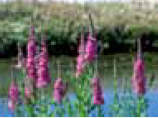
Purple loosestrife - Nature Conservancy photo

Help Stop Aquatic Invasive Species for additional information about the NPS program and the AIS threat to the park.

Aquatic Invasive Species Threats to Glacier – NPS AIS “Resource Bulletin in PDF format that includes information about non-native species already in the park as well as “what’s on the way.” Primary threats include: Zebra mussels/quagga mussels, New Zealand mud snails, Eurasian watermilfoil and Purple loosestrife.

Glacier Park Volunteer Opportunities includes information about specific opportunities for volunteers, including work in the Aquatic Invasive Species program.

AIRD: Aquatic Invasions, Research Directory for AIS policy, programs and related information.

National Invasive Species Information Center for AIS resources in Montana. Click here for photographs of Nonindigenous Aquatic Species.

Malcolm

Malcolm R. Campbell is the author of three novels set in Glacier National Park, including the recently released contemporary fantasy “Sarabande” available on Kindle.

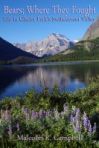
His nonfiction about Glacier Park includes “High Water in 1964” in A View Inside Glacier National Park: 100 Years 100 Stories (NPS-produced paperback) and Bears, Where They Fought: Life in Glacier Park’s Swiftcurrent Valley (99 cents on Kindle).

105,000 Americans tell Congress to stop cutting critical funding for national parks

from NPCA

Washington, DC – Today, the nonpartisan National Parks Conservation Association (NPCA) announced that more than 105,000 Americans have signed their petition calling on Congress to stop cutting critical funding for national parks. The signatures were gathered through NPCA’s National Parks Protection Project.

“As we approach the Centennial of the National Park Service, we must ensure our national parks receive adequate funding for our children and grandchildren to enjoy,” said NPCA President Tom Kiernan. “This is by far the most successful petition drive we’ve ever had – in nearly 100 years of operations – and it’s time for Congress to take notice of how many people have joined this effort.”

NPCA founded the National Parks Protection Project as an effort to show both Congress and the American people why it is important to adequately fund the national parks for our children and grandchildren.

Our national parks not only protect America’s heritage, they are important to local economies nationwide. Research shows that every federal dollar invested in national parks generates at least four dollars of economic value for the American people. National parks support more than $13 billion of local private-sector economic activity and nearly 270,000 private-sector jobs.

“The federal government has a responsibility to keep our national parks adequately funded,” said Kiernan. “The National Parks Protection Project is our effort to explain why and I am grateful to the more than 105,000 people across the country who joined our effort.”

Click here for more information.

Glacier National Parki, where my three fantasy novels are set, has been plagued with these cutbacks. Even normal maintenance on trails, signs, structures and other parts of the infrastructure has been postponed again and again. When I first went to Glacier in 1963, the park advertised 1000 miles of trails. Now it advertises 700 miles of trails. If we are going to protect the wilderness, we need to spend what it takes to do it.

Malcolm

Kindle edition

What the hell is Florida Power Thinking?

While the heading of this post is mine, the story comes from the National Parks and Conservation Association:

Everglades National Park…home to the largest wilderness area east of the Rockies; home to the largest protected mangrove ecosystem in the western hemisphere; and home to 68 federally threatened and endangered species. 
Does this sound like a place for giant towers puncturing the landscape with multiple power lines stretching as far as the eye can see? We don’t think so either.

The National Park Service is currently accepting public comment on a proposal that would allow Florida Power and Light (FPL) to build massive transmission lines through Everglades National Park. The use is completely incompatible with the designated purpose of the Everglades, and it is therefore necessary that FPL find an alternative route. Taxpayers are the rightful owners of America’s national parks, like the Everglades. Conveying a track of Everglades National Park–also a U.S. World Heritage Site–to a for-profit utility for a transmission lines corridor poses a threat to the Everglades ecosystem and conflicts with long-term restoration efforts. This is definitely not the way to treat a World Heritage Site.

Take Action: Submit your comments to Everglades Superintendent Dan Kimball and tell him that Everglades and all national parks are owned by the American people and are not for power lines.

Growing up in Florida, I learned that “swamps” were often simply tolerated as junk land that needed to be fixed in some way. In the panhandle, Tate’s Hell swamp was logged to death while the natural flow of the water was dammed up with the logging roads. In south Florida, the Everglades is constantly under threat due to water and air quality issues, invasive species and the sprawl of nearby cities. Power lines through the swamp are another one of the many insults.

Let’s try to stop them from being built.

See also, a new threat to the Grand Canyon in House Funding Bill Reverses Policy to Protect Grand Canyon

Malcolm

Learn more about the historic milestones of Glacier National Park’s Swiftcurrent Valley, site of Many Glacier Hotel and Swiftcurrent Campground, for only 99 cents on Kindle. The e-book is also available for 99 cents in multiple formats on Smashwords.

This short introduction to Glacier National Park’s Swiftcurrent Valley will delight, entertain, and offer a glimpse into the dramatic history of the most beautiful place on Earth… or so many visitors claim!

Crown of the Continent Resources

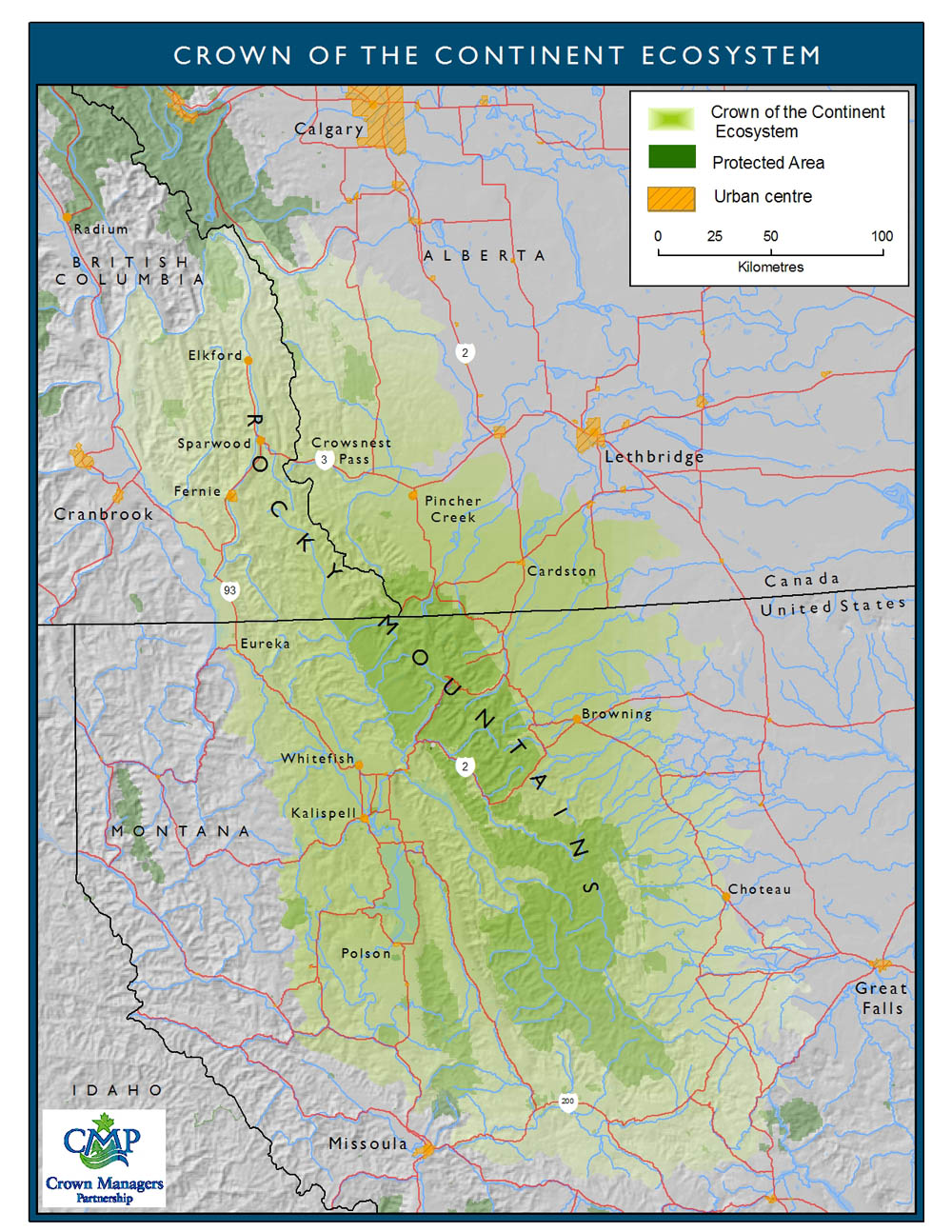
The ‘Crown of the Continent’ ecosystem is one of North America’s most ecologically diverse and jurisdictionally fragmented ecosystems. Encompassing the shared Rocky Mountain region of Montana, British Columbia and Alberta, this 28,000 square mile / 72,000 square kilometre ecological complex spreads across two nations; across one state and two provinces; and across numerous aboriginal lands, municipal authorities, public land blocks, private properties, working and protected landscapes. — Crown Managers Partnership

As national headlines focus on whether a potential lack of funding at the federal level will jeopardize national parks and water quality standards, I thought I would focus on the positive work being one throughout the Alberta/Montana/British Columbia Crown of the Continent Ecosystem by listing a few of the organizations you can turn to for information, programs and advocacy.

Alberta Wilderness AssociationAlberta Wilderness Association (AWA) is the oldest wilderness conservation group in Alberta dedicated to the completion of a protected areas network and the conservation of wilderness throughout the province.

Bob Marshall Wilderness ComplexTogether, the Great Bear Wilderness, the Bob Marshall Wilderness and the Scapegoat Wilderness form the Bob Marshall Wilderness Complex, an area of more than 1.5 million acres.

Crown of the Continent EcosystemEncourage and support coordination and cooperation among individuals, organizations, and agencies whose purpose is to educate and inform people of all ages and backgrounds about the human and natural resources of the Crown of the Continent Ecosystem.

Citizens for a Better FlatheadTo inform and empower citizens in cooperative community development that respects and encourages stewardship of the Flathead Valley’s natural beauty and resources.

Flathead National ForestStretching along the west side of the continental divide from the US Canadian border south approximately 120 miles lies the 2.3 million acre Flathead National Forest. The landscape is built from block fault mountain ranges sculpted by glaciers, and covered with a rich thick forest.

Headwaters MontanaWe are working to secure the highest level of protection possible for pristine public lands, such as watersheds in the Swan, Mission, Whitefish and Yaak ranges and untouched Crown lands across our border with Canada.

National Park Service, Glacier National ParkCome and experience Glacier’s pristine forests, alpine meadows, rugged mountains, and spectacular lakes. With over 700 miles of trails, Glacier is a hiker’s paradise for adventurous visitors seeking wilderness and solitude.

Nature Conservancy – MontanaOur mountains, rivers, grasslands and forests make Montana a natural paradise.

Waterton Lakes National ParkRugged, windswept mountains rise abruptly out of gentle prairie grassland in spectacular Waterton Lakes National Park.

While there’s much to be done on behalf of our environment, we can, I think, make better progress by making commitments to positive change as individuals and groups rather than standing on the sidelines and preaching to the choir about what we don’t like. We know what we need to do–or, we can learn.

Malcolm

Malcolm R. Campbell is the author of two novels set partially within the Crown of the Continent ecosystem, “The Sun Singer” and “Garden of Heaven.” The e-book edition of his comedy/satire, “Jock Stewart and the Missing Sea of Fire,” is currently on sale for only 99 cents at Smashwords and on Kindle.