 Jay Telotte and I were members of the faculty of the Department of English of a small Georgia college. His great love was film, a focus that turned into a career when he later became an expert in the field with multiple books, honors, and articles, and is now professor emeritus at the Georgia Tech School of Literature, Media, and Communication. We did not agree about Katherine Hepburn, and Meryl Streep, or coffee with chicory. And yet, eating dinner at his house always included a film shown on an old-fashioned projector. He liked films like “Juliet of the Spirits” and turned me into a believer in Federico Fellini’s work.
We also liked film noir, perhaps my favorite film genre, so I was pleased when he wrote Voices in the Dark: The Narrative Patterns of Film Noir in 1989. We had both moved on to other positions when the book came out, so I never got a chance to ask him why he didn’t enlarge it to include neo-noir. His wife, Leigh, who was an English teacher, switched over to computer documentation–as did I–and we both ended up briefly working in the same department at Hewlett-Packard in Atlanta. (She was on staff and I was a contract writer.) Later, Leigh Ehlers Telotte wrote several books, including Victoria, Queen of the Screen: From Silent Cinema to New Media.
From the Publisher
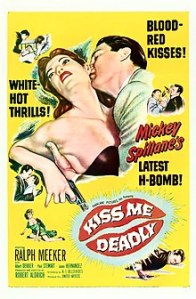 The American film noir, the popular genre that focused on urban crime and corruption in the 1940s and 1950s, exhibits the greatest amount of narrative experimentation in the modern American cinema. Spurred by postwar disillusionment, cold war anxieties, and changing social circumstances, these films revealed the dark side of American life and , in doing so, created unique narrative structures in order to speak of that darkness. J.P. Telotte’s in-depth discussion of classic films noir–including The Lady from Shanghai, The Lady in the Lake, Dark Passage, Double Indemnity, Kiss Me Deadly, and Murder, My Sweet–draws on the work of Michel Foucault to examine four dominant noir narrative strategies.
The book is very readable and is a wonderful introduction to noir films, many of which you can see on Turner Classic Movies in their noir alley segment. I learned a lot about film from Jay and wished we had moved in the same circles after moving to the Atlanta area.
–Malcolm
 Malcolm R. Campbell is the author of magical realism novels set in Florida.
 Eddie Muller—host of TCM’s Noir Alley, one of the world’s leading authorities on film noir, and cocktail connoisseur—takes film buffs and drinks enthusiasts alike on a spirited tour through the “dark city” of film noir in this stylish book packed with equal parts great cocktail recipes and noir lore.
 Malcolm's Round Table