Walking My Future Novel’s Setting

While I was working as a seasonal, college-student employee at Glacier National Park, my father said, “One day you’ll write a book about this.” As I walked the mile between the hotel and the camp store for Cokes, candy bars and other “health foods,” I visualized long nature articles about the park for National Geographic Magazine that would combine with proposed climbs of K2 and Mt. Everest and canoe rides down the Amazon into a hiker’s guide to exotic trails.

Little did I know I would one day set three novels in the park.

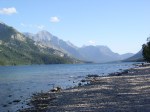
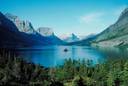
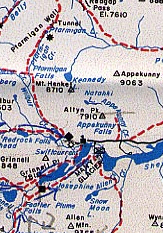
Like most college students, I was used to walking—and sometimes running—across a campus to get from one class to another. While working at the park, I not only walked around every lake near the hotel, but hiked to every waterfall, tunnel, mountain pass, and alpine meadow. Why? For a lot of reasons. For a Florida boy, the mountains were an exciting new environment. Plus, in those days, seasonal employees weren’t allowed to bring cars into the park. So, we talked. Going to the camp store was child’s play. By the end of the summer, a 25 mile hike as an easy stroll.

A Sack of Guidebooks

There used to be a wood box on a post near Many Glacier Hotel with a handfull of walking guides for tourists taking their first hike around Swiftcurrent Lake. If you wanted to keep the guide, you put a dime in a slot. If not, you put the guide into a similar box where the trail neared the camp store. I kept mine and along with it, brought home a sack full of guidebooks.
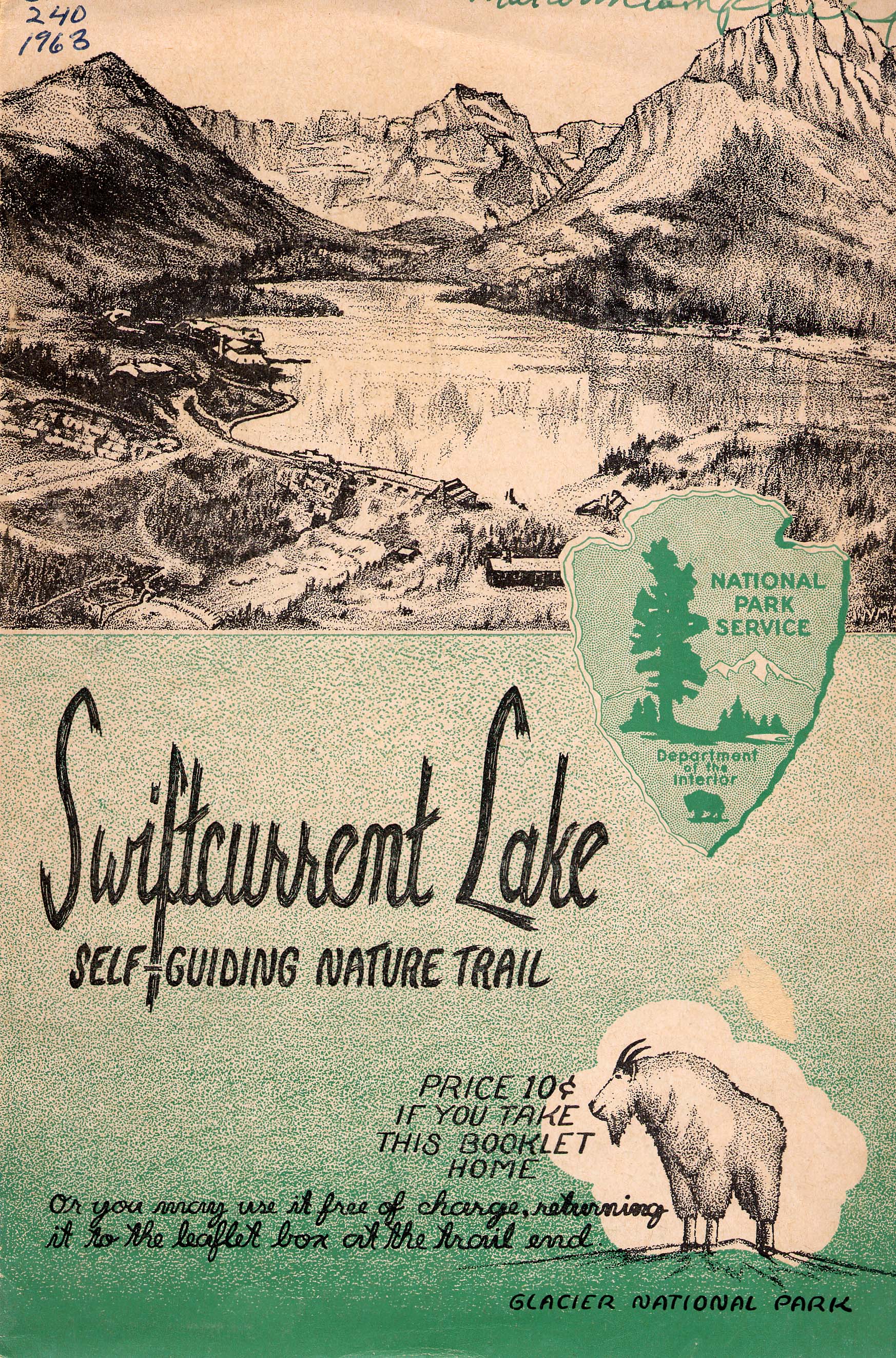
These materials are a writer’s dream. They allow me to merge my imagination and memories of the trails and mountains with specific factual information about the trees (subalpine fir, willow), wildflowers (fireweed, beargrass), and mountains (Grinnel, Allen). Even though I write contemporary fantasy, I want the setting to be as realistic as possible, and while I didn’t know it when I was a hotel bellman, all thosde after-work hikes were taking place in a world that would one say be part of The Sun Singer, Garden of Heaven: an Odyssey, and my new novel Sarabande.

I never wrote those National Geographic Magazine articles, much less climbed K2 or Everest, but I did write a few articles and essays about the Swiftcurrent Valley in Glacier National Park. Looking at the valley from a journalist’s or feature writer’s perspective helped me collect my thoughts for the fiction I would set there later.  Unfortunately, I haven’t been back to the park for many years, but all that time walking around in the setting of my future novels rather engraved the sights and sounds in my memory.

Sarabande Excerpt – from a Fictional Cabin at the Park’s Lake Josephine

Lake Josephine and Mt. Gould - twbuckner photo

The bright yellow of a late morning sun filled the bedroom when Sarabande awoke. She felt the light move before she opened her eyes and pulled the tangled folds of the quilt away from her face. A summer breeze followed the light, fluttering the blue curtains with a breath that smelled of fir trees, larkspurs, gentians, and stones from snow-melt streams. Pine siskins chirped to each other amongst the ferns and mosses, olive-sided flycatchers pipped from tree-top perches, and children laughed. The laughter came and went with the coming and going of a rumbling, technology-sounding hum. Sensing no threat in the sound, she projected outside and found that a boat traveling up and down the lake with visitors was powered by whatever made the pervasive hum. The visitors got off the boat, looked around, laughed, and then got back on the boat and went away.  They surrounded the cabin with their smells of strange soaps and fabrics, completely unaware of the magic in their midst. Whether it was the good night’s sleep or the rhythms of the water in the box of warm rain, her normally sharp senses intensified while she slept. Within the quilt of interlocking rings, she acquired—or was acquiring—Bear’s sense of smell, Eagle’s sight, and the quivering alertness of chipmunks and butterflies.

–Malcolm

an exciting adventure for only $4.99 on Kindle

Briefly Noted: ‘Border to Border: Historic Quilts and Quiltmakers of Montana’

The quilts featured in this richly illustrated, carefully researched book chronicle 150 years of Montana history. They tell stories about struggles for women’s suffrage, the Great depression, two world wars and Montana’s statehood. You’ll see detailed information about individual quilts and those who made them.

Published by the Montana Historical Society Press last year, Border to Border is available in both hard cover and paperback.

Excerpt from the Book

This lovely Goose in the Pond quilt was possibly the oldest one found by the Montana Historic Quilt Project, and it offered a bit
of a mystery to the documenters. The owners knew the quilt had traveled to Montana with Maxine Otis’s parents, who came to homestead near Hobson in 1916;  ther details about the quilt were sparse. Initially this quilt was thought to be made between 1830 and 1850, but these dates conflicted with family tradition that the quilt had been made in 1812. Upon closer inspection, the documenters discovered that the fabric was older than they originally thought, some of it dating to the late 1700s. A second look at the quilt also revealed a date and name buried in the quilting: 1811, Robert McInnis. Soon, additional hints about the quilt popped out of the fabric. An ink inscription appeared stamped in a corner block with the name Sarah H. Jones and the town Erie, Pennsylvania. Robert McInnis’s name was also inked into the quilt elsewhere, although by now the “c” and “I” in his name had started to fade. Whatever the bond Robert McInnis and Sarah Jones shared, the quilt was clearly a treasured possession. As reliable permanent ink was not available until the 1830s, the ink inscription was probably added after the quilt was made to leave a lasting record of those connected to it.

For more information about Montana quilts, see also the Montana Historic Quilt Project index. According to the site, “The Quilt Index” is a growing research and reference tool designed to provide unprecedented access to information and images about quilts held in private and public hands.”

–Malcolm

New fantasy adventure coming soon

‘No Ordinary Time’ history conference set for Sept. 22-24

from the Montana Historical Society

1942 "V for Victory" work party of Italian detainees

The Montana Historical Society presents the 38th annual history conference “No Ordinary Time: War, Resistance and the Montana Experience” in Missoula, September 22-24, 2011. For information, including a brochure and an online registration form, click here.

From the time of the First Peoples to the present day, conflict has always been part of the Montana story. Join us in Missoula for the 38th annual Montana History Conference where we will explore the role of warfare in traditional Native American culture, the contributions that Montanans have made to our nation’s wars, the impact that those wars had on life in the Treasure State, and the efforts of those who fought to resist armed conflict. In commemoration of the 70th anniversary of the United States’ entry into WWII, conference highlights will include sessions on, and a visit to, Fort Missoula, an internment camp for Italian detainees and Japanese-American citizens.

  • Unless otherwise noted, all events will be held at the DoubleTree by Hilton Missoula-Edgewater, 100 Madison St., Missoula.
  • Pre-conference opportunity: The Montana Preservation Alliance will be hosting its Preservation Excellence Awards Ceremony on Wednesday, September 21, 5:30 p.m., at the Florence Hotel, 111 N. Higgins Ave., Missoula. For more information visit http://www.preservemontana.org/or call 406.457.2822.
  • Post-conference tour: Fort Missoula. The tour will cover the fort’s colorful 134-year history while highlighting its ADC (Alien Detention Center) features and the two museums now located onsite.

As a long-time member of the Montana Historical Society, I received a brochure about this conference several days ago. I wish I could attend. What an exciting opportunity for teachers, students and historians who can make the trip.

Malcolm

99 cents

Malcolm R. Campbell is the author of the recently released Bears; Where they Fought: Life in Glacier Park’s Swiftcurrent Valley, a glimpse at the dramatic history of the most beautiful place on Earth. A Natural Wonderland… Amazing Animals… Early Pioneers…Native Peoples… A Great Flood… Kinnickinnick… Adventures… The Great Northern Railway.

“Give a month at least to this precious reserve.  The time will not be taken from the sum of your life. Instead of shortening, it will indefinitely lengthen it and will make you truly immortal. — John Muir, “Our National Parks,” 1901

Western Books, Briefly Noted

“Forced to Abandon Our Fields: The 1914 Clay Southworth Gila River Pima Interviews” by David H. DeJong – 192 pages with eight photographs and three maps, March 31. 2011.

Publisher’s Description: During the nineteenth century, upstream diversions from the Gila River decreased the arable land on the Gila River Indian Reservation to only a few thousand acres. As a result the Pima Indians, primarily an agricultural people, fell into poverty. Many Pima farmers and leaders lamented this suffering and in 1914 the United States Indian Irrigation Service assigned a 33-year-old engineer named Clay “Charles” Southworth to oversee the Gila River adjudication. As part of that process, Southworth interviewed 34 Pima elders, thus putting a face on the depth of hardships facing many Indians in the late nineteenth century.

Reviewer’s Comment: “DeJong’s presentation of the oral interview transcripts is excellent. These interviews are a rich source of cultural and historical information about the Pimas.”—David Rich Lewis, Utah State University

“Montana Moments: History on the Go” by Ellen Baumlier – 200 pages, September 14, 2010, by the Montana Historical Society’s interpretative historian.

Publisher’s Description: Forget dreary dates and boring facts. Montana Moments distills the most funny, bizarre, and interesting stories from Montana’s history into pure entertainment. Meet the colorful cast of the famous and not-so-famous desperadoes, vigilantes, madams, and darned good men and women (and a few critters) who made the state’s history. You’ll get a laugh from the story of the transient vaudevillian who wrote Montana’s state song. Captain James C. Kerr’s tale of the Flathead Lake monster might make you shiver. No matter your reaction, the episodes recounted here always entertain. Best of all, each vignette takes about ninety seconds to read. So have fun exploring Montana – and enjoy a little history as you go.

Reviewer’s Comment: “The pages of Montana Moments overflow with enjoyable historical vignettes that cover nearly everything important that has happened in Montana’s history. Newcomers will find an excellent introduction to what makes Montana tick, while Baumler’s careful research and entertaining writing style will delight old timers.” — Harry Fritz, University of Montana

You may also like:

Montana’s Historical Highway Markers by Jon Axline and Glenda Clay Bradshaw

Montana Place Names from Alzada to Zortman by MHS Research Staff

Montana Native Plants and Early Peoples by Jeff Hart

–Malcolm


set in Glacier National Park


Blue Highways at Night

“Beware thoughts that come in the night. They aren’t turned properly; they come in askew, free of sense and restriction, deriving from the most remote of sources.” — William Least Heat-Moon in “Blue Highways: a Journey into America.”

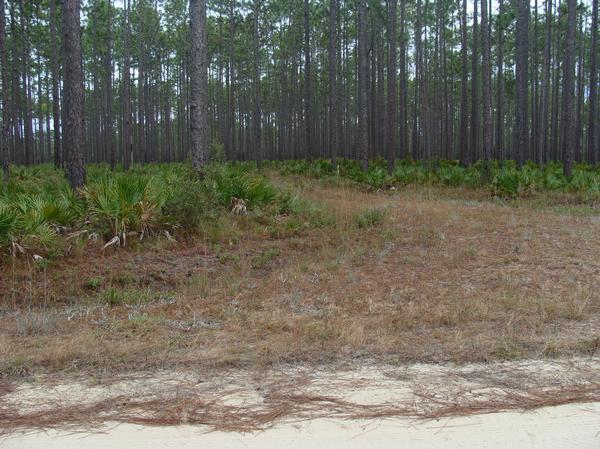
Forest Service Road - Wikipedia Photo

In the early 1960s when gasoline was 31 cents a gallon, my decrepit 1954 Chevrolet knew every unpaved national forest road in Florida between Tallahassee, St. Marks, Woodville, Sopchoppy, Carrabelle, Sumatra and Chattahoochee. Almost nightly, I drove late into the night and all the graveyard shift fry cooks and waitresses knew my name.

The car at night was a sanctuary and such guidance as I received from the universe was both welcome and askew.

In the early 1970s when gasoline as 35 cents a gallon, my 1970 Kaiser Jeep knew the secondary roads across northern Illinois and southern Wisconsin from Waukegan to Fox Lake to Lake Geneva to Kenosha. I’d take the doors off and make the Jeep’s noisy, nighttime world into a place of meditation where the best of wisdom was free of sense and restriction.

Sweet Highway

Montana Plains - Wikipedia Photo

In time, the Jeep also learned the beauty of the empty daylight highways that led through Minnesota and North Dakota to the Rocky Mountains following the route of the old Great Northern Railway. The “sweet highway,” as author Linda Niemann once called it, was the best route to the most remote sources my mind sought out in those days.

I have always understood why some people like repetitive factory jobs, sitting in the right-hand seat of a freight locomotive, or sailing for days with no sight of land. The widgets passing by on the line, the sound of steel wheels on steel rails, and the rhythmic movement of a boat in mid-ocean are the perfect mantras for unlimited thought.

For a young writer trying either to hide from the world or to find his place in it, unlimted thought behind the wheel of a Bellaire or a CJ5 was perfect escape and therapy. Quite literally, driving saved my life and most of my sanity while giving me a first look at the plots and themes of the novels I would one day write.

The Jeep and I in 1975

Driving blue highways at night isn’t for everyone, and thank goodness, because it was the roads would be too crowded to be of any value. The real world expects those who enter the workplace to have the validation that comes from a high school diploma and a college degree. There’s value in a formal education.

The Cost of a Good Education

Yet, I learned more about myself and about writing on Forest Road 13 in Florida and Heart Butte Road in Montana than I did in high school or college. Today, when I compare the tuition costs with the gasoline prices nearing $4 per gallon, I can’t help but wonder if Blue Highways at Night are still a better value.

Malcolm

You can download a free copy of my satirical (fake) news stories “Jock Talks Satirical News” in multiple e-book formats at Smashwords.

Also available at Smashwords and Kindle for only 99 cents, are Jock Talks Strange People, Jock Talks Politics, and Jock Talks Outlandish Happenings.

Crown of the Continent Resources

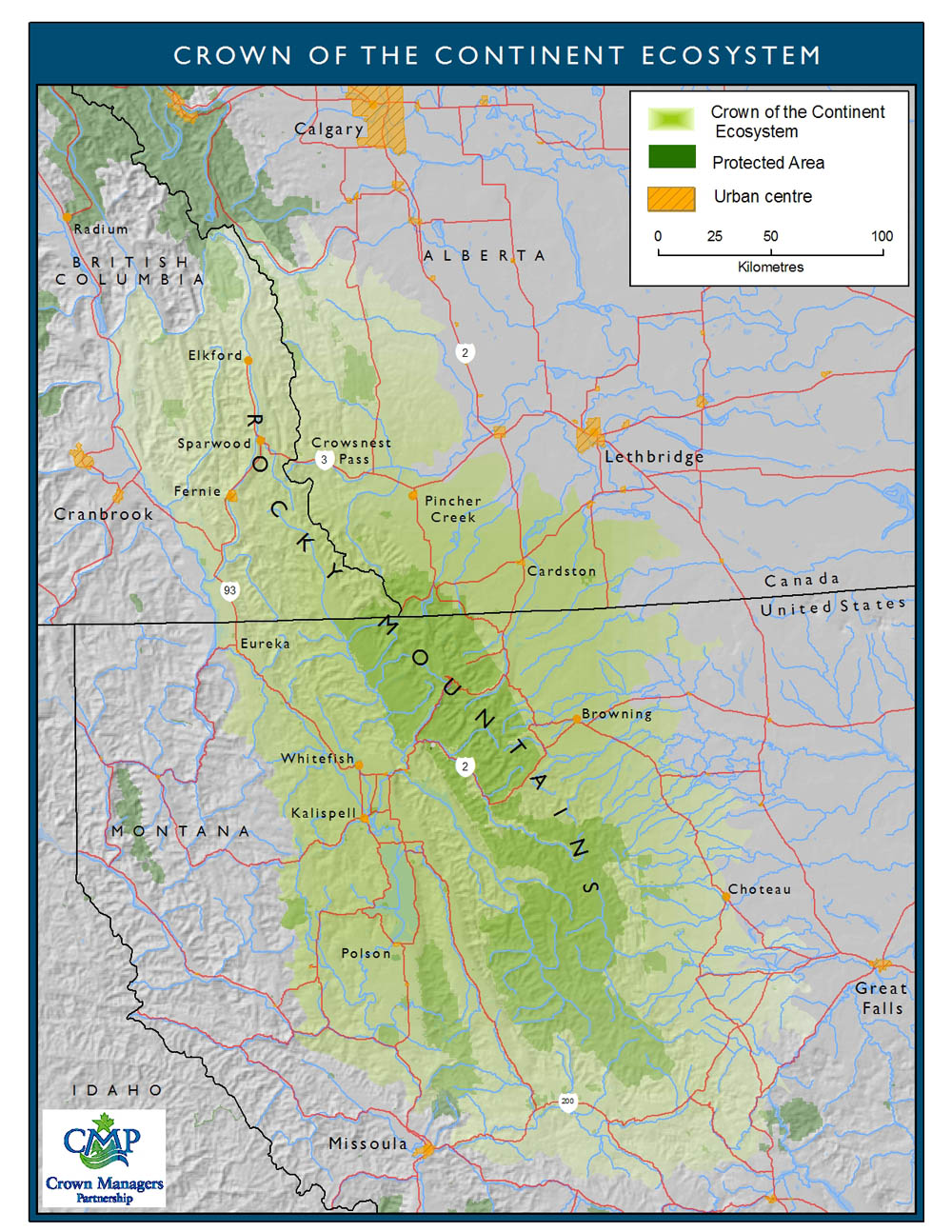
The ‘Crown of the Continent’ ecosystem is one of North America’s most ecologically diverse and jurisdictionally fragmented ecosystems. Encompassing the shared Rocky Mountain region of Montana, British Columbia and Alberta, this 28,000 square mile / 72,000 square kilometre ecological complex spreads across two nations; across one state and two provinces; and across numerous aboriginal lands, municipal authorities, public land blocks, private properties, working and protected landscapes. — Crown Managers Partnership

As national headlines focus on whether a potential lack of funding at the federal level will jeopardize national parks and water quality standards, I thought I would focus on the positive work being one throughout the Alberta/Montana/British Columbia Crown of the Continent Ecosystem by listing a few of the organizations you can turn to for information, programs and advocacy.

Alberta Wilderness AssociationAlberta Wilderness Association (AWA) is the oldest wilderness conservation group in Alberta dedicated to the completion of a protected areas network and the conservation of wilderness throughout the province.

Bob Marshall Wilderness ComplexTogether, the Great Bear Wilderness, the Bob Marshall Wilderness and the Scapegoat Wilderness form the Bob Marshall Wilderness Complex, an area of more than 1.5 million acres.

Crown of the Continent EcosystemEncourage and support coordination and cooperation among individuals, organizations, and agencies whose purpose is to educate and inform people of all ages and backgrounds about the human and natural resources of the Crown of the Continent Ecosystem.

Citizens for a Better FlatheadTo inform and empower citizens in cooperative community development that respects and encourages stewardship of the Flathead Valley’s natural beauty and resources.

Flathead National ForestStretching along the west side of the continental divide from the US Canadian border south approximately 120 miles lies the 2.3 million acre Flathead National Forest. The landscape is built from block fault mountain ranges sculpted by glaciers, and covered with a rich thick forest.

Headwaters MontanaWe are working to secure the highest level of protection possible for pristine public lands, such as watersheds in the Swan, Mission, Whitefish and Yaak ranges and untouched Crown lands across our border with Canada.

National Park Service, Glacier National ParkCome and experience Glacier’s pristine forests, alpine meadows, rugged mountains, and spectacular lakes. With over 700 miles of trails, Glacier is a hiker’s paradise for adventurous visitors seeking wilderness and solitude.

Nature Conservancy – MontanaOur mountains, rivers, grasslands and forests make Montana a natural paradise.

Waterton Lakes National ParkRugged, windswept mountains rise abruptly out of gentle prairie grassland in spectacular Waterton Lakes National Park.

While there’s much to be done on behalf of our environment, we can, I think, make better progress by making commitments to positive change as individuals and groups rather than standing on the sidelines and preaching to the choir about what we don’t like. We know what we need to do–or, we can learn.

Malcolm

Malcolm R. Campbell is the author of two novels set partially within the Crown of the Continent ecosystem, “The Sun Singer” and “Garden of Heaven.” The e-book edition of his comedy/satire, “Jock Stewart and the Missing Sea of Fire,” is currently on sale for only 99 cents at Smashwords and on Kindle.
Glacier Artist-in-Residence Applications Due by February 15

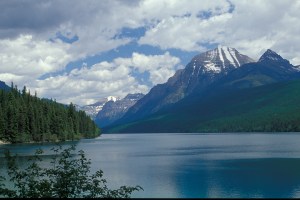
Bowman Lake - NPS photo

Glacier National Park’s artist-in-residence program is open to artists and writers who want to experience the wonder of the park for four weeks this coming summer and, while there, donate their time, inspiration and creative work in support of the park’s environmental education program.

Applicants for the summer of 2011 will be reviewed based on their ability to “produce children’s educational art and materials including scientific illustrations, drawings and graphics; poetry, prose and stories; puppet shows, plays, and song lyrics (for existing or original music); music; and educational lesson plans and resource information guides. These products must be about Glacier and its plants, animals, habitats, geology, natural processes, history and beauty and suitable for use with elementary and middle school children. Thus, the 2011 Artist-in-Residence Program is open to children’s artists, writers, poets, composers, song writers, musicians and academics with relevant experience and backgrounds.”

Applications must be postmarked by February 15, 2011. Click here for information and the address for submissions. The National Park Service will make its selection of one or two individuals for the program in March for residencies to be conducted between mid-June and Labor Day.

Malcolm

A Glacier Park Adventure Available on Kindle

Expanded Waterton-Glacier Watershed Protections Needed

from National Parks and Conservation Assn:

Former National Park Superintendents Call for Waterton-Glacier Expansion, Watershed Protections

Waterton Lakes - Chris Phan photo

Whitefish, MT — An international coalition of retired superintendents from Waterton Lakes National Park in Canada and Glacier National Park in the United States has voiced their concern for the future of those parks and the need for immediate actions by both countries to complete park protection measures begun earlier this year.

“Waterton-Glacier International Peace Park is a treasure that we all share as North Americans,” said former Glacier Superintendent Mick Holm.  “In joining our voice with our Canadian counterparts, we’re hoping public officials in both countries will view our communication as a call to action on behalf of this globally significant World Heritage site.”

Waterton Lakes - Lesa Campbell photo

The letter, signed by nearly all of the parks’ former superintendents, comes in the closing days of Glacier’s centennial year, as Congress considers a bi-partisan public-lands omnibus bill (America’s Great Outdoors Act of 2010) that includes several key park-protection measures. The package legislation encompasses more than 110 individual bills, aimed at protecting the country’s land, water and wildlife resources. Senate Majority Leader Harry Reid has said he would like to see passage before Congress adjourns early in the New Year.

In their letter, the former superintendents endorse a long-standing proposal for Canada to expand Waterton Lakes National Park westward, into one-third of the British Columbian Flathead.  They also call for Canada to establish a wildlife management area connecting Waterton-Glacier to other Canadian Rocky Mountain parks, including Banff.

Glacier - St. Mary's Lake - NPS

The former superintendents noted the historic nature of recent steps taken by both countries to prohibit coal strip-mines, hard-rock mining, and oil and gas leases on public lands upstream from Waterton-Glacier, including action to protect 400,000 acres in Canada and the voluntary relinquishment of 200,000 acres of oil and gas leases by energy companies in the United States. They note, however, that legislation to finalize the mining and drilling ban has yet to become law in the United States, and urge prompt action on that front.

They also call for expanded environmental cooperation across the border, and a formal international agreement between both countries to protect Waterton-Glacier and the surrounding Crown of the Continent ecosystem in Montana, British Columbia, and Alberta.

“To have nearly every retired superintendent from Waterton and Glacier calling for these measures is beyond significant,” said Tim Stevens, Northern Rockies regional director of the National Parks Conservation Association.  “These individuals spent their entire careers managing protected areas.  They understand better than anyone what steps are needed to ensure the ecological integrity and clean headwaters of Waterton-Glacier.”

In 2009, proposed mining activities in the Canadian Flathead Valley gained the attention of the UNESCO World Heritage Committee, which voted unanimously to send an international team of scientists to investigate whether the negative impacts of proposed coal strip mines warranted listing Waterton-Glacier as a “World Heritage site in Danger.”  The UNESCO report concluded that the proposed strip-mine would result in environmental harm to the World Heritage site.

Only $3.99 on Kindle

Siobhan – a ‘Garden of Heaven’ excerpt

E-Book only $5.99
“Garden of Heaven: an Odyssey” is the story of a man’s spiritual journey through the mountains of Pakistan, the swamps of North Florida, the beaches of Hawaii, the waters of the South China Sea and the ivy-covered halls of an Illinois college as he attempts to sort out the shattered puzzle of his life.

In this excerpt, David Ward’s significant other, a woman well-practiced in the old Huna magic of Hawai’i, is ready to discuss the clues, if any, she found in his journals about who has been trying to kill him.

David sits on a fence post, a comfortable, familiar spot, and looks across the creek to the house. The creek is the same; the house has shrunk with time. Too perfectly symmetrical when it was new, the structure’s roofline, doors and walls have aged randomly and grown more natural into the place.

Complacent while Siobhan keeps the Komondor puppy inside, the remaining Dominique chickens peck at the hard path between the kitchen door and the clothes line. The path turns west into a gravel road that leads to an old house lying down in weeds and ruin where his grandparents lived until one became too frail and the other became too psychotic to be left alone, where they said that his mother was born on a cold January night in 1914, where lies and truths were sown and bore hybrid fruit.

Along the road between the houses, grey sheds linked by fences lean into the earth. Dry and empty, like old nooks and crannies and secret places, they were always the first full focus of spring–humid and rich as sea fog, dripping with the juices of birth and new life. Jayee’s timing was as precise as nature allowed. Today he would be moving the last of the lambs from the jugs to the bunch pen if he was on schedule, or the first of them if nature wasn’t.

From this vantage point, David sees the pros and cons of dreams; he views his visions from the other side, and—remembering everything that has happened between then and now and then and now and then and now—must decide how much of history is too broke to fix. Siobhan refuses to tell him who tried to kill him and why because he’s not ready to hear it, much less re-live it; Sikimí will take them back to the scene of the crime soon enough.

She steps out the back door carrying old notebooks, an envelope labeled remnants, and grandmother’s blue-on-white eight-pointed star quilt. The door slams, stirring memories. She smiles and her pony tail dances when she nods at the circle of box elders where she heads at a brisk walk.

In her khaki cargo shorts and light blue sleeveless crew shirt, she radiates a well-toned athletic health that sings of perfectly managed energy conceived in Aries fire and transformed into infinite zest down through her well-developed shoulders and sun-browned legs. Siobhan is Wind’s daughter. Grandmother would love her for that alone. It’s a matter of breath control, he thinks. When Siobhan is open to the world, she inhales those she meets into her presence, pulling them in with her smoky eyes and the fluid caresses of her hands. At such times, she drags out the first syllable of her name in a shhhhhhhhhh of light breezes. David heard that endearing shhhhhhhhhh when she ran into him like a pro-football lineman on the day they met. When Siobhan is closed to the world, she exhales those she meets outward beyond the reach of her hands. At such times, when there is no still escape from her eyes, she clips off the first syllable of her name into a harsh shh that shushes even the most determined people into quiet.

She flips the quilt out into an even rectangle and sits in the centre of it surrounded by Blue Horses and Silver Bears, knowing Katoya stood on that very spot in the tall bluebunch wheatgrass 33 years ago and told him the secret of the universe before they watched the stars rise into the sky. When he stops at the northern boundary of the eight-pointed starry night lying across the grass, Siobhan looks up from an open composition book as though she’s surprised, but pleased, to see him there.

–I’ve finished reading almost all your journals.

As he takes off his boots, he’s enveloped by the scent of her lavender bath soap. He shrugs. What is there to say? He feels naked in spite of her smile which is so unwaveringly natural it seems to be borne up out of the grass.

–You know almost everything, then, and you’re free to run for the hills, he says.

Siobhan frowns and looks at him with her eyebrows raised about as high as she can get them. She waves an older Blue Horse in his face.

–Talk like that chased Anne Hill away, didn’t it?

–It seemed a logical thing to say at the time.

–How logical does it seem now? she asks.

He sits next to her and studies her face while she watches the noisy water of the creek bunching up at the base of the limestone bedrock.

–Hell, I was looking for reassurance.

She turned toward him now and her breath was warm and sweet on his face.

–No need and you know it, she says and kisses him. When he starts to speak, to say some inane self-deprecating thing, she kisses him again. Shhhhhhhhhh, she whispers, Anne is Anne, Siobhan is Siobhan, and you and I are the yin and the yang fitting precisely together.

She hugs him, wrapping him snugly in lavender.

–I see what you mean, he tells her. This hug could easily lead to more, much more, but I think you have things to say.

–I do.

My publisher, Vanilla Heart Publishing, interviewed me and posted the result in AUTHOR SPOTLIGHT – Malcolm R. Campbell.

Review: ‘Buffaloed’ by Fairlee Winfield

Buffaloed Buffaloed by Fairlee Winfield

My rating: 5 of 5 stars
When teenager Ovidia Odegard arrives in the United States in 1904, her first duty is to find suitable work so she can begin paying back her uncle for his out-of-pocket costs in sponsoring her immigration from Norway. Her dream, though is not only to be an American, but a Westerner, and that includes wearing a fancy buckskin jacket.

Providentially, Nancy Russell–the wife of the famed Montana cowboy artist Charles M. Russell–is looking for a housemaid at the couple’s home in Great Falls. When Ovida sees a copy of Russell’s pictorial “Studies of Western Life,” she can’t wait to board the train and head for the West she’s seen at the Nickelodeon.

When she arrives in Great Falls, she finds a dirty, modern city, and once she meets Charlie Russell, she begins discovering that the idealized West as it exists in books and movies is gone–if it ever existed. While Nancy Russell wants contracts and sales for Charlie’s art, Charlie would rather spend his time spinning yarns about the old days with his “bunch” down at the saloon. Not surprisingly, the house is a mess.

“Buffaloed” is Ovidia’s story as told to her grandson just before she died at 94, and it all begins when she mentions a secret she has never shared with anyone: the famous Charles M. Russell mural “Lewis and Clark Meeting the Indians at Ross’ Hole” at the Montana State House of Representatives” wasn’t really painted by Russell. It was a con, or so Ovidia claims.

Ovidia dangles this con before her grandson’s eyes throughout her remembrances because, as she sees it, he wouldn’t understand it if he didn’t know what happened in the Russell household from the moment she reported for work. What had she gotten herself into?

This well-researched book is just the kind of yarn that the master of tall tales, one Charles Marion Russell (1862-1926), would endorse without hesitation. The dialogue, the atmosphere, and the historical period in “Buffaloed” are superb. Fans of Russell and Montana history will discover that the book includes real events and places along with a supporting cast of historical personages.

In his book “Montana Adventure,” a friend and contemporary of Russell, Frank B. Linderman, writes that “Charlie Russell was the most lovable man I have ever known.” This is the Charlie Russell who emerges in Fairlee Winfield’s wonderful novel.

Now, if you live in Montana, mostly everything having to do with Charlie Russell is sacred, and that includes a lot of living and story telling that was also delightfully profane. Ovidia does have a confession to make in regard to that mural, but this is a novel, of course.

Winfield’s disclaimer at the beginning of the book reminds us that “Buffaloed” is a work of fiction. In addition to the standard reference books about Charles and Nancy Russell, Winfield also had a more personal resource for this story: her Norwegian grandmother did work in the artist’s home and had a lot of humorous and gritty stories to tell.

View all my reviews >>

Copyright (c) by Malcolm R. Campbell, author of “The Sun Singer” and “Jock Stewart and the Missing Sea of Fire”