I used to buy a fair number of mystery thrillers and police procedurals at the Publix grocery store, just down the aisle from the cookies and crackers. With no offense to the authors, I called these books–from Greg Iles, James Patterson, Stuart Woods, and others–“grocery store books” because that’s where I’d see the covers and blurbs and get tempted into buying them.
Now they’re gone.
 Could be another supply chain problem or a decision by somebody at Publix that another product would work better in that shelf space. Too bad, because this shelf was the source of a lot of good–usually quick–reading. Recently, while looking for something else, I found 24 Hours, a two-year-old novel by Greg Iles on Amazon. Wow, maybe I don’t have to buy buy grocery store books at Publix or Kroger.
Typical of Iles, 24 Hours didn’t take long to read, maily because the plot–about kidnappers–is constructed in a way that keeps you from putting the book down. They have a fool-proof system, one that they’ve run five times before without a glitch; and without getting caught.
However, this time out, Will and Karen Jennings fight back in part because their kidnapped daughter Abby has diabetes and can’t sit for 24 hours in a cabin without her shots. This introduces a major complication in the kidnappers’ schedule while leading the Jennings to take bigger risks than most victims.
Is the book true to life? Probably not. But once you start reading it, I don’t think you’ll care. You’ll roar through the pages like a crazed grizzley because you’ve come to despise the kidnappers and want to see them kicked into next week without harming Abby. The book reads well with a family-size back of Oreo cookies or steamed broccoli.
–Malcolm

I think this comedy/satire would make a great grocery store book. Publix? Kroger?
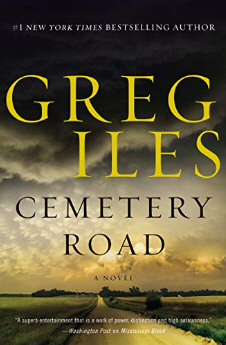 The protagonist, Pulitzer-prize winning journalist Marshall McEwan, returns to the small town where he grew up because his father is in ill health and his newspaper business is failing. (I would have used a different name since this one is too close to Marshall McLuhan, the famous media expert and philosopher). Marshall’s old friend is murdered and thus begins the current-day primary plot of the novel.
 Malcolm's Round Table