And why not? The feds are already sticking their noses into a lot of stuff that isn’t the government’s business. And if Congress were fair about the matter, it wouldn’t force everyone to churn out books like James Patterson who, as we all know, has a truckload of co-authors except on his Alex Cross novels.
Since the idea for this legislation is mine, I get to choose the authors: they would include Mark Helprin, Erin Morgenstern, Susanna Clarke, and Donna Tartt. Oh shoot, Clarke has chronic fatigue syndrome, so we can’t put her on the list. We want to, but we shouldn’t. While it’s taxing to write books, maybe the feds should impose a tax on authors who really ought to write more, the rationale being that we need their stories to stay sane–or mostly sane.
Jonathan Strange and Mr. Norrell (2004) and its alternate history of Britain and magic, is probably one of the best magic/fantasy novels anyone has written. We need more, much more because these books show us the world as it really exists. Perhaps Congress can convene a committee of dunces to learn why there’s been no sequel.
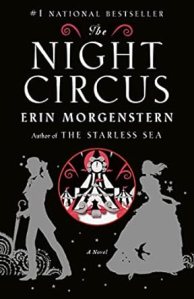 One pleasant surprise of 2012 was the appearance (without warning) of Morgenstern’s The Night Circus about a strange circus that appears without warning and spreads magic and humor in the towns where it manifests. The Starless Sea (2020) also captured our imagination with a magical world just as stunning as that of the circus.
Perhaps the tactic Congress should take is that readers need more of these books for national security reasons. We know that rationale is always bullshit, but it seems to work.
 Mark Helprin, at 76, has appeared with another novel that will help save us from the Ruskies, Hamas, and other bad people called The Oceans and the Stars. I like all of his work, but think nothing holds a candle to Winter’s Tale.
 Donna Tartt who–thank the good Lord is only 59–has always written at a snail’s pace. Congress can fix this because the country, as the Department of Homeland Security would say, “needs the security of books,” and that means that Tartt cannot take a few years off to play video games or watch “Survivor” and “Hells Kitchen” while the Pulitzer gathers dust on the shelves.
We need the stories, but we wither on the vine when we’re stuck waiting for them for too long.
–Malcolm


 Malcolm's Round Table