One bonus of learning what the CCC fed its volunteers is, as Arcadia Publishing notes, this book released in May “features over 80 historic recipes adapted for today’s home kitchen.” The Texas Highways Magazine review notes that those recipes include pineapple fritters, snowflake potatoes, sloppy joes, and wacky cake. What’s not to like?
From the Publisher
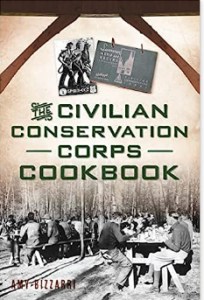 “The Civilian Conservation Corps was a voluntary government work relief program that offered nearly 3 million unemployed, unmarried men the job of restoring and conserving America’s public lands, forests, and parks. The wages weren’t the only draw–the program also threw in three square meals a day served in the camp mess hall. The Civilian Conservation Corps Cookbook features the recipes that sustained not only the CCC during the Great Depression but also our grandparents and great-grandparents. Budget-friendly, with ingredients that can easily be found–if not in your very own pantry then at your local grocer–these recipes reflect the ‘make do’ attitude of Depression-era home cooks.”
About the Author
 “Amy Bizzarri has written four books focused on Chicago history, but her experiences don’t stop there. She’s a teacher, tour guide, and certified wine expert. When she’s not exploring her beloved Chicago by bicycle, you’ll find her hiking the trails of a state or national park. Oh, yes, she’s a mermaid, too, having trained with the celebrated sirens at Florida’s Weeki Wachee Springs.”
I visited Weeki Wachee as a kid. I have a feeling that was before her time. <g>
–Malcolm
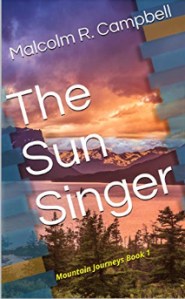 Malcolm R. Campbell is the author of contemporary fantasy, magical realism, and paranormal books and short stories.
Set in Glacier National Park, the novel follows the “hero’s journey” motif as outlined by Joseph Campbell in “The Hero With the Thousand Faces.”

 Malcolm's Round Table