New Logo and Blog for the National Parks and Conservation Association

When I joined the National Parks and Conservation Association (NPCA) in the 1960s after working in and taking trips to many of the parks, the group had a oval-chaped logo with the silhouettes of three bears. That logo was around for 50 years.

Now NPCA has decided it’s time for a change: “After about a year and a half of research, focus-group testing, surveys, and outreach, NPCA finally unveiled a modernized logo yesterday.” Naturally, some people wanted to keep the old logo. I support the changes, the logic of which is explained here.

Even before setting three of my novels in Glacier National Park, I was a “friend” of the parks. Since I live in the southeast, I’ve been to Smoky Mountain National Park more than any other. When I joined the NPCA, the Internet as we now know it did not exist. I depended on the print magazines from the Sierra Club and the NPCA for parks and conservation information.

Now, I’m happy that with the logo, the NPCA has also updated its online presence with a new blog called the Park Advocate. As NPCA suggested to members in this morning’s e-mail message, “Check out the blog for regular news on the parks, read about NPCA’s latest work in the field, enjoy photos and videos from around the country, and share your ideas and opinions on issues affecting our national parks.”

What a great way to keep up! Even if you’re not at NPCA member, the blog and its RSS feed will help you keep up with the latest news about the National Parks.  If you’re a Facebook member, you’ll find the NPCA is there, too.

Malcolm

If you’re a fan of Montana’s Glacier National Park and/or are planning a visit to Many Glacier Hotel, you might enjoy my e-book about the history of Swiftcurrent Valley: “Bears, Where They Fought.”

The 15-page booklet is available on your Kindle for only 99 cents. (Click on the cover to learn more.) You’ll also find it included in Vanilla Heart Publishing’s anthology of fiction, nonfiction and poetry “Nature’s Gifts.”
Joshua Tree National Park Kicks-off Restoration Projects

from NPCA

Photo by Alex E. Proimos
Twentynine Palms, Calif. – In partnership with the National Parks Conservation Association, Arrowhead® Brand Mountain Spring Water has announced the first jointly supported, volunteer-based restoration project at the iconic Joshua Tree National Park to help revitalize and restore the park, leading up to its 75th Anniversary.

Breaking ground this weekend, Arrowhead Mountain Spring Water employees will team-up with park officials and community volunteers to restore two highly travelled areas of the park – the Hidden Valley Trailhead and trails leading out to the popular rock climbing area, Houser Buttress.

Once a refuge for cattle rustlers and mountain lions, Hidden Valley is now one of the park’s most popular rock climbing, picnicking and hiking destinations, and it’s in critical need of conservation and restoration efforts.

Among the group of volunteers are Boys and Girls clubs from Yucca Valley and Desert Hot Springs and marines from the Marine Corps Air Ground Combat Center located in Twentynine Palms, CA.

Volunteers will perform critical work to prevent soil erosion and destruction around the trailhead, which has created a slipping hazard to hikers. Volunteers will also eliminate “social trails” created when visitors walk off the designated trail-areas. Additionally, participants will plant native vegetation, lay vertical mulching to curtail erosion, remove wooden ties that line the trail and replace them with rocks to restore the area, and dig postholes for fencing to secure the site. Finally, old trail signage will be replaced with new ones that better describe trails for hikers and help preserve the desert’s natural landscape.

The Park

One hundred and forty miles east of Los Angeles, the 800,000-acre Joshua Tree National Park features a fragile desert ecosystem. Visitors can explore both “low” and “high” desert landscapes here where the Colorado and the Mojave deserts meet.

Photo by thirteenthbat
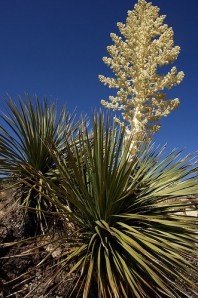
Joshua trees are found in the cooler, wetter Mojave in the western portion of the park. Explorer John Fremont reportedly called them “…the most repulsive tree in the vegetable Kingdom.”

A member of the Yucca genus, the fast-growing Joshua trees get their name from 19th century Mormons crossing the Mojave Desert who said the trees’ limbs resembled the outstretched arms raised to the heavens in prayer.

The trees, with their multi-fiber trunks and extensive root systems can survive in the desert for hundreds of years, with some trees living up to a thousand years. Joshua trees bloom in the spring, displaying creamy white flowers to complement the dark green spear-shaped leaves.

Malcolm

NPCA offers Park Field Guide Application

from the National Parks Conservation Association:

Washington, D.C.— A new mobile app field guide featuring national parks across the country was released October 8th by the National Parks Conservation Association (NPCA) and is available free to iPhone, iPad, and iPod Touch users.

The most versatile and interactive mobile field guide app available, NPCA’s new National Park Field Guide provides a complete view of park wildlife, as well as a comprehensive ecosystem review of 50 national parks. Unlike any other mobile app on the market today, the guide includes bird portraits, call recordings, information about endangered and poisonous species, range maps, and wildlife. Users will also find current news about featured parks, access and reservation information, and directions to park visitor centers.

“We are pleased to offer this innovative and informative mobile field guide free of charge to national park visitors,” stated Megan Cantrell, NPCA Senior Coordinator of Member Engagement. “The new guide will enhance the experience of park visitors by providing a fun, educational companion for families and nature-lovers to learn about the many natural treasures that parks have to offer.”

From seashores and recreational areas to scenic riverways and historic sites, the field guide mobile app features 50 national parks across the country that support critical wildlife habitats. Among the many national parks featured include: Yellowstone, the Grand Canyon, Yosemite, Cape Cod National Seashore, and Gettysburg National Military Park. To view a complete list, click here.

“With more than 300 million national parks visitors annually, our new field guide will help engage and educate a new generation of advocates for our national parks,” said Cantrell. “The more people who understand that our national parks are America’s legacy to our children and in urgent need of care and repair, the better chance we have at protecting them for the future.”

The field guide was developed for the National Parks Conservation Association by eNature.com. At the heart of this mobile app is eNature’s comprehensive, geographically segmentable database of U.S. wildlife, both animals and plants.

eNature.com’s core content of wildlife information includes almost 6,000 individual species and is the same data set used to create the printed Audubon Field Guides. Data has been carefully reviewed and vetted by leading biologists, zoologists and other natural history specialists. eNature.com has consistently been one of the Internet’s most-visited sites for nature and wildlife information and has won numerous awards and accolades.

“With eNature’s unsurpassed wildlife content base, we are able to create a mobile app guide uniquely capable of targeting specific parks so users can quickly identify and enjoy the wildlife they come across,” stated Tom McGuire, eNature’s President.

The National Park Field Guide is available here or visit the Apple App Store from your iPhone and search Park Guides.

Hero's Journey Story Set in Glacier Park

Let’s stop Underfunding the National Parks

“Our national parks and monuments support $13.3 billion of local private-sector economic activity and 267,000 private-sector jobs. Yet our national parks suffer from a $580-million annual operating shortfall and a backlog of maintenance projects that exceeds $9 billion. — National Parks & Conservation Association (NPCA)

According to the NPCA, tourism in the National Parks was up 5% last year. This brought money into many local economies as visitors stopped at restaurants and service stations, bought souvenirs, stopped at grocery stores for picnic supplies, and stayed in hotels that are either locally owned or that employ many people from the region.

To my way of thinking, investing in the National Parks isn’t optional. At a time when more funds are needed, the President’s requested National Park Service budget for 2011 is $21.6 million less than the 2010 budget. Bluntly put, this is backwards thinking.

We’re looking at a sinking ship that keeps taking on more and more passengers.

In 2008, Dr. Dwight Pitcaithley, a former NPS chief historian, said that “the chronic under-funding of the National Park Service is not now and has not been for the past 50 years a matter of money – it is a matter of priorities!” That year, the $5 billion needed for the park service represented only 0.002 percent of the President’s proposed budget.

As I think of this, I’m reminded of many people I’ve known who purchase a new car every other year, go out to eat several times a week, hold a weekly barbecue and beer party in the back yard for their friends, and then complain that they can’t put a dime in a savings account, attend a concert or buy a novel. They love having skewed priorities and then complaining about how the results are not their fault.

The parks are the same way. When we overlook the the cost of handling the crowds, maintaining roads and trails, fighting fires and floods, and keeping the entire NPS infrastructure sound, we justify the unconscionably low NPS budget request by saying “why the hell do we need to spend all this money on a bunch of trees and lakes?”

We need to spend it because it’s where we live. It’s where our children will live. And it’s all connected to our spirituality and our culture and our air quality and our food supply and our water supply and our weather and to each of us–even if we never set foot on a trail or take a canoe ride down a river.

As the NPCA says, “Investing in the National Parks is investing in America.”

Malcolm

Purchases of my Glacier National Park adventure novel “The Sun Singer” and the e-book edition of my contemporary mythic saga “Garden of Heaven” benefit Glacier National Park through Vanilla Heart Publishing’s “Drop in the Bucket” Program.

National Parks Off the Beaten Track

Well-known parks such as Yosemite and Yellowstone often get more attention than the 56 other national parks. Here are ten others to consider as you make this summer’s vacation plans:

Smallest: Hot Springs, Arkansas. Only 5,549 acres, but it has 47 thermal springs. Jump in a tub and enjoy.

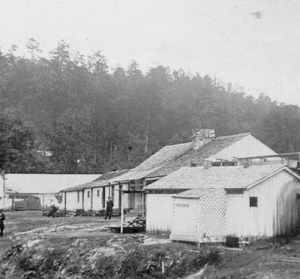
1860s bath house, Hot Springs - NPS


Least Visited: Kobuk Valley, Alaska. While Grand Canyon had 4.4 million visitors in 2008, Kobuk Valley only had 1,565. Why? It’s far away and there are no roads. Get a plane, boat or snowmobile and see what it’s like north of the Arctic Circle.

Most Bears: Great Smoky Mountains, Tennessee. The park has an average of two black bears per square mile. No wonder there are often bear-sighting traffic jams along park roads.

Most Prehistoric: Petrified Forest, Arizona. Once upon a time it was a tropical floodplain. Now you can see 225 million years of history in the fossilized trees.

Tallest or Thickest: Your call. It’s either the Redwoods or King’s Canyon/Sequoia in California. The Redwoods include trees 38 stories high. While Sequoia has tall trees, too, they include the General Sherman tree that’s wider than three lanes of traffic.

Most Isolated: Isle Royale, Michigan. It takes a 3-5 hour boat ride to reach this primitive wilderness in Lake Superior.

Wettest: Olympic, Washington. You’ll find many ferns, mosses and lichens in this rain forest with an annual precipitation of twelve feet.

Darkest: Big Bend, Texas. In this remote and relatively cloud-free desert, the Milky Way is bright enough to cast a shadow.

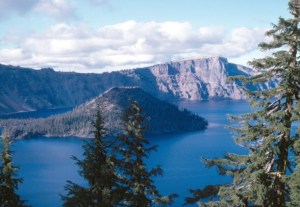
Deepest: Crater Lake, Oregon. The lake in this volcanic basin is the seventh deepest lake in the world at 1,943 feet.

Crater Lake - NPS Photo


Newest: Great Sand Dunes, Colorado. This 30-square mile dune field was switched from a national monument to a national park in 2004. You’ll find short-horned lizards, bighorn sheep and mule deer here as well as some wonderful dunes to slide down.


Source: “National Parks Less Traveled” in AARP Magazine, May/June 2010

Purchases benefit the Glacier Park Centennial Program