This novel was published by Sweetgrass Books (Farcountry Press) on October 4, 2022, and is set in Montana, my favorite state.
From the Publisher
 “A YOUNG MARINE PROTECTS WHAT IS MOST SACRED
“For Sam Comstock, a young Iraq war vet with PTSD, the need to find a way to heal his wounded soul is a matter of life or death. His Marine sniper skills lead him to Montana on a mission to help manage an infamous wildlife challenge: killing migratory buffalo outside Yellowstone Park that are presumed to carry an infectious disease for cattle. This places Sam seriously at odds with a renegade band of Indian warrior-dreamers who are determined to save the buffalo from slaughter. Thrown together and isolated in the Montana wilderness, meanwhile relentlessly pursued by the combined forces of military, law enforcement, and the cattle industry, Sam and his native compatriots must depend upon one another for survival. Along the way, Sam becomes enmeshed in the way of the buffalo, confronting his suicidal pain and emerging from a long trail of suffering.
“Through Sam, we come to understand that we have much to learn from our native neighbors. We may even discover our own inner buffalo spirit.”
The Way of the Buffalo
In an article called “The Meaning of the Buffalo to Our People,” Karlene Hunter cites an article by Richard Williams that states, “The American Indian and the buffalo coexisted in a rare balance between nature and man. The American Indian developed a close, spiritual relationship with the buffalo. The sacred buffalo became an integral part of the religion of the Plains Indian. Furthermore, the diet of primarily buffalo created a unique physiological relationship. The adage “You are what you eat” was never more applicable than in the symbiotic relationship between the buffalo and the Plains Indian. The Plains Indian culture was intrinsic with the buffalo culture. The two cultures could not be separated without mutual devastation.”
From Kirkus Reviews
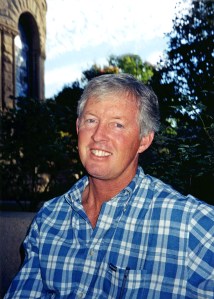
“Over the course of this novel, Newman writes with a vivid sense of place (“The snow fell all night, cleansing the blood-stained ground and creating a white canvas upon which creatures large and small could paint the tracks of the new day”) and a palpable respect for Montana’s land and its many denizens. Smith is something of a one-dimensional villain that would have benefited from deeper character development. However, Sam’s captors are depicted with a sense of depth and great sensitivity. The scenes involving the slaughter of bison and cattle are certainly brutal (“the blood now flowing freely across the roadway, the men tracking it every direction”) but not exploitatively so.
“A compelling and empathetic story of salvation.”
–Malcolm
 Malcolm's Round Table